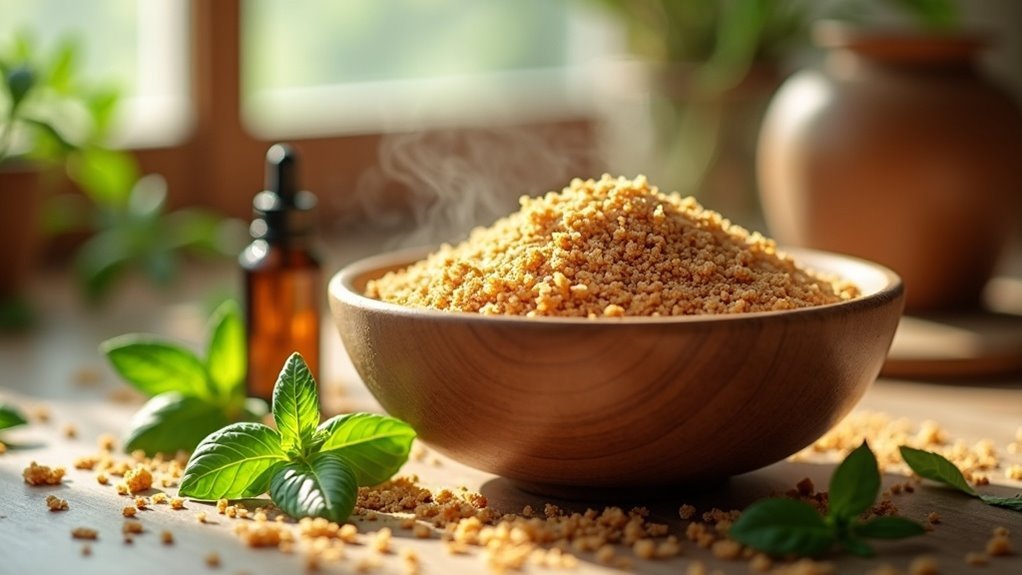
To use sawdust for odor control in survival situations, sprinkle it in trash cans and storage areas to absorb moisture and neutralize unpleasant smells. In compost bins, layer it with green materials to improve aeration and minimize odors, essential for maintaining a clean and effective waste management system during times of scarcity. For animal bedding, sawdust absorbs excess moisture and reduces odors, enhancing hygiene for livestock and pets. Regularly replace the sawdust to maintain its effectiveness, and consider combining it with baking soda for an additional odor-fighting boost. Explore various innovative applications and techniques to optimize your preparedness efforts.
Key Takeaways
- Sprinkle sawdust in trash cans to absorb moisture and minimize unpleasant odors, which is essential for maintaining a clean and safe living environment during emergencies.
- Layer sawdust around living areas to inhibit bacteria growth and enhance hygiene, helping to protect your health in challenging situations.
- Regularly replace sawdust to maintain its odor-neutralizing effectiveness and prevent buildup, ensuring your supplies remain usable over time.
- Mix sawdust with baking soda for improved odor control in various settings, a practical tip for those preparing for long-term survival.
- Use untreated wood sawdust to ensure a chemical-free environment, promoting better health and safety in your prepping endeavors.
Understanding the Benefits of Sawdust for Odor Control
Sawdust is a valuable resource for survivalists and preppers seeking effective odor control in various settings. Its unique properties allow it to absorb moisture efficiently, which helps minimize odors by inhibiting bacteria growth—making it a more effective option than materials like straw.
The natural oils present in sawdust work to neutralize unpleasant smells, contributing to a fresher atmosphere in your living or storage areas.
Natural oils in sawdust effectively neutralize odors, enhancing the freshness of your living or storage spaces.
In survival situations, adding sawdust to compost bins is particularly beneficial, as it promotes aerobic decomposition and reduces odor production. By layering sawdust in trash cans or compost buckets, you can manage excess liquid and odors effectively, creating a cleaner and more hygienic environment.
Regularly replacing the sawdust ensures its continued effectiveness, making it an essential tool for maintaining a pleasant and sanitary space in any prepper’s supplies.
How to Use Sawdust in Compost Bins
Incorporating sawdust into compost bins can be a valuable strategy for survivalists and preppers looking to optimize waste management while enhancing odor control and promoting effective decomposition.
Begin by placing sawdust in the bottom of your compost bin. Layer it with kitchen scraps at a ratio of one part sawdust to four parts green materials, which helps maintain a balance of carbon and nitrogen essential for healthy composting. This approach not only improves aeration but also reduces unwanted odors, ensuring a more efficient composting process.
Using wet sawdust is particularly beneficial as it helps maintain aerobic conditions, which can deter pests like fruit flies—a crucial consideration for those preparing for self-sufficiency.
Regularly turning the compost pile and monitoring moisture levels is key to ensuring quality compost, especially in a survival context where resources may be scarce.
It’s advisable to opt for aged sawdust, as fresh sawdust can lead to temporary nitrogen depletion, affecting nutrient availability in your compost.
Incorporating Sawdust in Animal Bedding
When you’re preparing for self-sufficiency and creating a sustainable living environment for your animals, using sawdust as bedding can be a valuable strategy. Its moisture and odor absorption properties make it an excellent choice in a survivalist setting. However, consider the following factors for optimal use:
| Factor | Description |
|---|---|
| Moisture Absorption | Sawdust effectively absorbs excess moisture, preventing mold and disease. |
| Odor Control | Reduces unpleasant odors in animal housing, promoting a healthier environment. |
| Bedding Lifespan | Aged sawdust minimizes nitrogen depletion, ensuring a more sustainable option. |
Regularly replacing sawdust bedding not only promotes hygiene but also minimizes health risks for your animals, ensuring they remain healthy and comfortable while aligning with your prepping goals. This approach can help you maintain a cost-effective and efficient system in your self-sufficient lifestyle.
Effective Techniques for Applying Sawdust
To effectively apply sawdust for odor control in a survivalist context, consider its role in composting, mulching, and maintaining hygiene in waste management.
By mixing sawdust with kitchen scraps, you can create a balanced compost that minimizes odors and enhances soil fertility for future gardening.
Additionally, strategically placing sawdust in trash cans and around camp areas can help maintain cleanliness, reduce pest attraction, and contribute to overall soil health, making it a valuable resource in your prepping toolkit.
Composting With Sawdust
Sawdust can be a valuable resource for your compost pile, especially for those interested in survivalism and prepping. It enhances the decomposition process and helps control odors, making it a practical addition to your composting efforts. To effectively compost with sawdust, maintain a ratio of one part sawdust to four parts green materials, which will help create a balanced compost mix. Layering sawdust between your kitchen scraps can absorb excess moisture and unwanted odors, crucial for maintaining a clean and efficient compost pile.
Using moisture-rich sawdust not only improves aerobic conditions but also acts as a natural deterrent for pests, which is vital for those who want to keep their composting area safe and sanitary. Regularly turning your compost ensures even mixing of materials, which aids in odor control and speeds up the decomposition process. Additionally, keeping the pile moist is important to maintain an ideal environment for composting and to reduce the risk of foul odors.
| Technique | Description | Benefit |
|---|---|---|
| Ratio | 1 part sawdust to 4 parts green | Balanced composting |
| Layering | Place sawdust between kitchen scraps | Absorbs moisture |
| Wet Sawdust | Use moisture-rich sawdust | Deters pests |
| Regular Turning | Turn compost regularly | Even mixing |
| Moisture Control | Keep the pile moist | Reduces foul odors |
Mulching for Odor Control
While mulching with sawdust can significantly enhance odor control in your survival garden, understanding the proper techniques is essential for maximizing its benefits.
Apply a 2-inch layer of aged sawdust around your garden beds and fruit trees to suppress odors, retain soil moisture, and regulate temperature—key factors in sustainable food production during uncertain times.
Ensure that sawdust is kept away from plant stems to prevent nitrogen depletion from fresh sawdust, which could hinder plant growth.
Consider incorporating sawdust into your compost piles at a ratio of one part sawdust to four parts green material to improve compost quality and minimize unpleasant odors.
Regularly refresh your sawdust mulch to maintain its effectiveness and promote a cleaner, odor-free environment, supporting your self-sufficiency goals.
Deodorizing Trash Cans
One effective technique for deodorizing trash cans in a survivalist or prepping context involves sprinkling a layer of sawdust at the bottom. This helps absorb moisture and neutralize odors, creating a fresher waste environment, which is particularly important when resources may be limited. Replace the sawdust weekly to maintain its effectiveness and prevent attracting unwanted pests. Opt for untreated wood sawdust to avoid chemicals and ensure eco-friendliness, which aligns with sustainable living practices. To enhance odor control, mix the sawdust with baking soda, a common household item that can also serve multiple purposes in a prepping scenario.
| Material | Benefits |
|---|---|
| Sawdust | Absorbs moisture, neutralizes odors |
| Baking Soda | Further absorbs odors, enhances freshness |
| Untreated Wood | Eco-friendly, no chemical contamination |
| Weekly Change | Prevents unpleasant smell buildup |
Maintenance Tips for Odor-Free Environments
To maintain an odor-free environment in your survivalist or prepping space, consider incorporating sawdust into your routine. Sprinkle a layer of sawdust at the bottom of trash cans to absorb moisture and neutralize odors, replacing it weekly for optimal odor control.
In compost bins, layer sawdust over kitchen scraps to diminish odors and deter pests, which is crucial for maintaining a clean food source. Store sawdust in airtight containers to preserve its moisture-absorbing properties, ensuring it’s ready when you need it.
Regularly mix sawdust into animal bedding for enhanced comfort and odor control, especially if you’re raising livestock. For spills in workshops or during food preparation, use sawdust to quickly absorb liquids and odors, making cleanup effective and efficient, which is vital in a self-sufficient environment.
Alternative Uses for Sawdust Beyond Odor Control
Sawdust isn’t just a tool for odor control; it offers a variety of alternative uses that can greatly enhance your survivalist or prepping endeavors.
You can create effective fire starters by mixing sawdust with melted candle wax, which is perfect for quickly igniting fires in emergency situations.
Additionally, walnut sawdust serves as a natural weed control solution, suppressing unwanted plant growth without the use of harmful chemicals—ideal for maintaining a self-sufficient garden.
In crafting and repairs, combine sawdust with wood glue to create a seamless wood filler paste, ensuring your gear remains in top shape.
Furthermore, incorporating sawdust into your compost pile helps balance nitrogen-rich materials, optimizing nutrient content for sustainable gardening.
Lastly, its absorbent properties make sawdust an excellent choice for cleaning up spills, whether they be oil or paint, ensuring your survival space remains safe and organized.