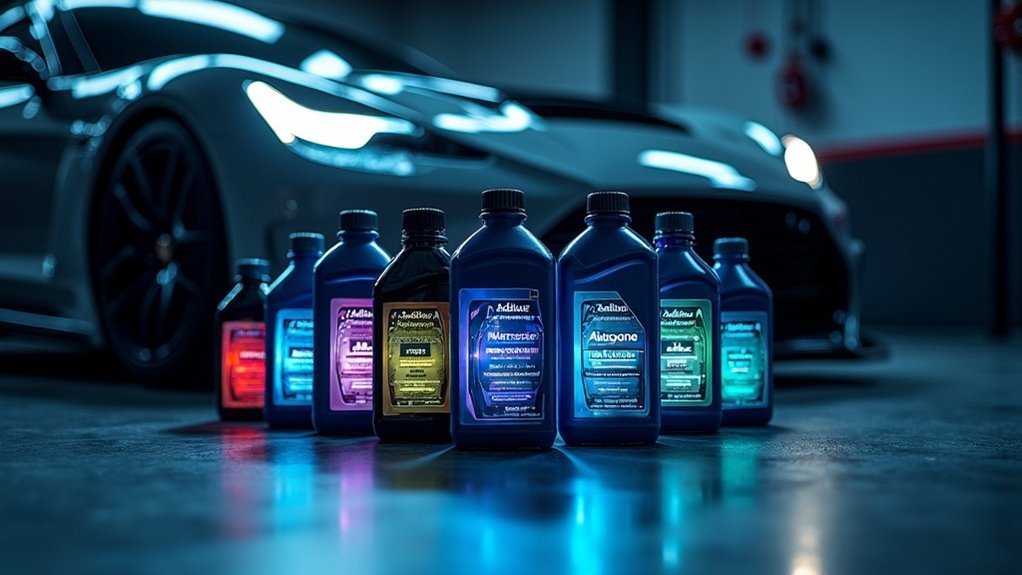
To store diesel with additives for your preparedness needs, utilize high-density polyethylene containers that are opaque and tightly sealed to safeguard against moisture and sunlight. It’s crucial to maintain your fuel within a temperature range of 32°F to 95°F, reducing exposure to direct sunlight to prevent degradation. Always adhere to the manufacturer’s mixing instructions, adding additives directly before refueling to ensure even distribution throughout your fuel supply. Regularly inspect your storage for leaks and contamination to maintain fuel quality. As you continue your journey in survivalism and prepping, you’ll learn more about effective fuel management techniques and safe disposal methods.
Key Takeaways
- Use high-density polyethylene (HDPE) containers that are opaque or dark-colored to shield diesel additives from harmful sunlight exposure, ensuring they remain effective in survival situations.
- Ensure containers are tightly sealed to minimize air exposure and prevent moisture entry, which can compromise the quality of your fuel during emergencies.
- Always mix additives according to the manufacturer’s instructions for optimal effectiveness, especially when preparing for long-term storage in your prepping supplies.
- Store diesel fuel and additives in a temperature-controlled environment between 32°F and 95°F to preserve their stability and effectiveness for when you need them most.
- Regularly inspect and clean storage containers to maintain the integrity of diesel and additives, ensuring they are ready when facing unforeseen circumstances.
Importance of Proper Diesel Storage
Proper diesel storage is a crucial aspect of survivalism and prepping, as it helps maintain fuel quality and prevents significant losses during critical times. When diesel isn’t stored correctly, it can degrade rapidly, leading to losses of up to 25% in just one season—something you can’t afford when resources are limited.
To ensure your fuel remains viable, invest in high-quality storage tanks specifically designed for diesel, as these provide protection against contamination.
Invest in quality diesel storage tanks to safeguard your fuel from contamination and ensure long-term viability.
It’s essential to monitor the storage environment, keeping temperatures between 32° and 95° Fahrenheit to prevent fuel instability. Regular inspections and maintenance of your diesel storage system are vital; they help identify leaks or microbial contamination early, allowing you to take action before it affects your reserves.
Additionally, keeping your fuel tanks full during long-term storage is a smart strategy. This practice minimizes condensation, which reduces the risk of water contamination and further degradation of your fuel, ensuring you have reliable energy sources when you need them most.
In the world of prepping, every drop counts, so prioritize proper diesel storage for your survival plans.
Choosing the Right Container for Diesel Additives
When it comes to storing diesel with additives for your preparedness needs, choosing the right container is crucial for ensuring the longevity and effectiveness of those additives.
Opt for containers crafted from high-density polyethylene (HDPE) or similar materials that are specifically designed for chemical storage to prevent degradation over time.
Ensure that your container is opaque or dark-colored to protect the additives from sunlight, which can lead to breakdown and reduced efficacy.
Use tightly sealed containers to minimize air exposure and prevent moisture entry, thus avoiding potential contamination that could compromise your fuel supply.
Consider utilizing smaller, pre-measured bottles for ease of use during refueling, ensuring consistent dosing for your equipment.
Regularly inspect and clean your storage containers to uphold the integrity of your diesel additives, making sure you’re always prepared for any situation.
Optimal Storage Conditions for Diesel Fuel
To store diesel fuel effectively for survival and prepping scenarios, it’s crucial to control temperature and minimize sunlight exposure.
Aim to keep the fuel within the range of 32°F to 95°F, as extreme temperatures can compromise its quality and usability during emergencies.
Additionally, use opaque or shaded containers to protect the fuel from direct sunlight, which helps maintain its integrity over time.
Proper storage ensures that you have reliable fuel on hand when you need it most.
Temperature Control Importance
Maintaining ideal temperature control is essential for preserving the quality of diesel fuel with additives, especially for survivalists and preppers who rely on this fuel for emergency situations.
Store diesel at temperatures between 32° Fahrenheit and 95° Fahrenheit to minimize degradation risks. Extreme temperatures can accelerate aging, potentially leading to a loss of up to 25% of fuel within a single season, which could severely impact your preparedness plans.
To enhance temperature control, consider storing diesel in shaded or covered areas to prevent heat buildup, which is especially important during summer months.
Utilizing underground storage can provide natural insulation from temperature fluctuations, keeping your fuel in optimal condition.
Regularly monitor and adjust your storage conditions based on seasonal changes to ensure the long-term viability of your diesel fuel with additives, enabling you to remain prepared for any situation that may arise.
Sunlight Exposure Risks
While many mightn’t consider it, sunlight exposure can pose serious risks to the quality of your diesel fuel, which is vital for survival and preparedness.
Direct sunlight can raise temperatures, accelerating degradation and compromising the integrity of your fuel supply. This heat exposure could result in a loss of up to 25% of your diesel during a single storage season, which could be detrimental in a survival situation.
To mitigate these risks, always store diesel in opaque or shaded containers, and consider using insulated coverings for your tanks. Regularly monitoring your storage conditions is essential in order to protect your fuel and maintain its quality.
Best Practices for Mixing and Adding Additives
When you’re ready to incorporate diesel additives into your fuel supply for prepping, it’s essential to strictly adhere to the manufacturer’s instructions regarding mixing ratios and application methods, as these factors significantly influence fuel performance and stability.
To ensure thorough mixing with your diesel fuel, pour the additives directly into the tank before refueling. Utilize pre-measured containers for precise dosing to reduce the risk of over- or under-dosing, which could lead to engine complications in critical situations.
Always verify that your diesel fuel is clean and free from contaminants, as impurities can compromise the effectiveness of your additives.
Regularly inspect your fuel storage conditions and rotate through your stored diesel and additives at least once a year to maintain peak performance for any emergency scenarios.
Regular Maintenance and Inspection of Diesel Storage
Regular inspections of your diesel storage are vital for survivalists and preppers, as they help you identify leaks, damage, or microbial contamination that can compromise fuel quality and engine performance.
To ensure your preparations are efficient, follow these guidelines for regular maintenance and inspection:
- Conduct visual checks every three months to monitor for sediment buildup.
- Keep detailed records of all findings and maintenance activities for future reference.
- Establish a routine schedule for cleaning tanks and replacing filters to maintain optimal fuel condition.
- Utilize additives like Biobor JF during inspections to combat microbial growth, following manufacturer guidelines for application.
Monitoring Fuel Quality Over Time
Monitoring the quality of stored diesel fuel is crucial for anyone focused on survivalism and prepping. Regular inspections for signs of degradation—such as color changes, odors, or sediment—are key to ensuring fuel reliability in emergencies.
Utilize fuel test kits to assess water content, microbial contamination, and cetane levels, which can significantly affect performance. Keeping a detailed log of storage dates, conditions, and any additives will aid in tracking fuel quality over time.
Assessing water content and microbial contamination is vital for diesel fuel performance; keep a log of storage details to ensure quality.
It’s important to maintain an optimal storage temperature between 32° to 95° Fahrenheit to prevent degradation. Cycling through stored fuel at least once a year ensures that you have fresh fuel when you need it most.
Additionally, consider using Diesel Kleen to enhance stability and cleanliness, which will help preserve the integrity of your stored diesel fuel for future use. Proper fuel management is an essential part of your preparedness strategy.
Environmental Considerations and Responsible Disposal
When it comes to storing diesel with additives for survival situations, understanding proper disposal methods is crucial for minimizing environmental impact.
It’s important to follow local regulations for disposing of contaminated fuel and additives to prevent soil and water contamination.
Engaging with community initiatives focused on environmental stewardship can also enhance your knowledge of best practices in fuel management, ensuring that you’re prepared for any scenario while being responsible to the environment.
Proper Disposal Methods
Although it may seem convenient to dispose of contaminated diesel fuel and additives in a haphazard manner, responsible disposal is crucial for preserving our environment and ensuring our survivalist principles.
Here are proper disposal methods for hazardous materials that align with prepping and self-sufficiency:
- Research local regulations to locate designated disposal facilities that align with your survivalist values.
- Never pour diesel or additives down drains, on the ground, or in regular trash, as this can contaminate water sources and harm ecosystems.
- Explore recycling options for used diesel fuel through authorized reclamation programs, which can help conserve resources.
- Thoroughly clean and empty containers before disposing of them according to local guidelines, ensuring no harmful residues remain that could affect your environment.
Minimizing Environmental Impact
Storing diesel fuel with additives for survival and prepping requires careful attention to minimize environmental impact while ensuring safety. Proper storage practices are vital to prevent contamination and leaks, which can harm soil and water sources—essential resources in a survival situation.
Using high-quality additives not only enhances fuel efficiency but also reduces fuel cycling and contamination, limiting the environmental footprint associated with excess fuel production and disposal.
Regular inspections and maintenance of storage tanks are crucial for preventing leaks and spills, ensuring compliance with local safety regulations. In a prepping context, being prepared for emergencies means having a reliable fuel supply that doesn’t compromise environmental safety.
Additionally, responsible disposal of contaminated fuel and additives is imperative, as local regulations mandate specific procedures to mitigate environmental damage.
Community Engagement Initiatives
Engaging with your community on diesel storage and environmental safety is crucial for survivalism and prepping enthusiasts. By taking proactive steps, you can enhance collective preparedness and responsibility.
Consider participating in local initiatives that focus on these key areas:
- Join community workshops to learn about safe fuel storage, proper disposal methods, and spill prevention to ensure your community is ready for any situation.
- Advocate for eco-friendly additives that not only reduce environmental risks but also improve fuel performance, providing a reliable resource in times of need.
- Collaborate with local survival and environmental organizations to stay informed about best practices for fuel management and environmental safety.
- Establish a responsible disposal plan for contaminated fuel by partnering with licensed waste management services, ensuring that your community is equipped to handle emergencies responsibly.
These actions not only promote environmental sustainability but also cultivate a culture of preparedness and accountability within your community.
Together, you can create a resilient network ready to face challenges head-on.