Securing water during RV travel is a crucial aspect of survivalism and prepping. Before embarking on your journey, ensure that your freshwater tank is filled to capacity. Identify and mark reliable RV fill stations at campgrounds, gas stations, or public parks along your route. It’s also advisable to carry a high-quality water filtration system to purify water from natural sources, ensuring you have access to safe drinking water in case of emergencies.
To conserve water, implement techniques such as the Navy Shower and the dishpan method, which can significantly reduce your water usage. Additionally, plan your trips around dependable water sources to maintain a full tank. Being proactive about water management will enhance your self-sufficiency and preparedness while on the road. Keep researching and gathering more strategies for effective water management in your RV travels!
Key Takeaways
- Before hitting the road, ensure your RV’s freshwater tank is maximized. Consider filling up portable water bladders as an emergency backup to ensure you have sufficient water throughout your journey.
- Always use a drinking water hose specifically designed for potable water to avoid contamination. Investing in a high-quality filtration system will further safeguard your water supply.
- Regularly monitor your water supply for any signs of contaminants. It’s wise to assess untreated water sources using a reliable testing kit to ensure their safety before use.
- Implement water conservation techniques, such as the Navy Shower Technique and utilizing composting toilets, to stretch your water supply and make the most of every drop.
- Strategically plan your trips around known reliable water sources, and carry portable containers for emergencies or additional storage to enhance your preparedness.
Where to Find Water on the Road
When you’re on the road in your RV, finding reliable water sources is crucial for survival and preparedness. Look for RV fill stations at campgrounds, public parks, and rest areas, as these can be dependable options.
Finding reliable water sources is essential for RV travelers; look for RV fill stations at campgrounds and rest areas.
Gas stations and fire stations may also have water available, so keep an eye out for those too. Don’t hesitate to inquire with staff at private businesses, as some may have specific policies regarding water access.
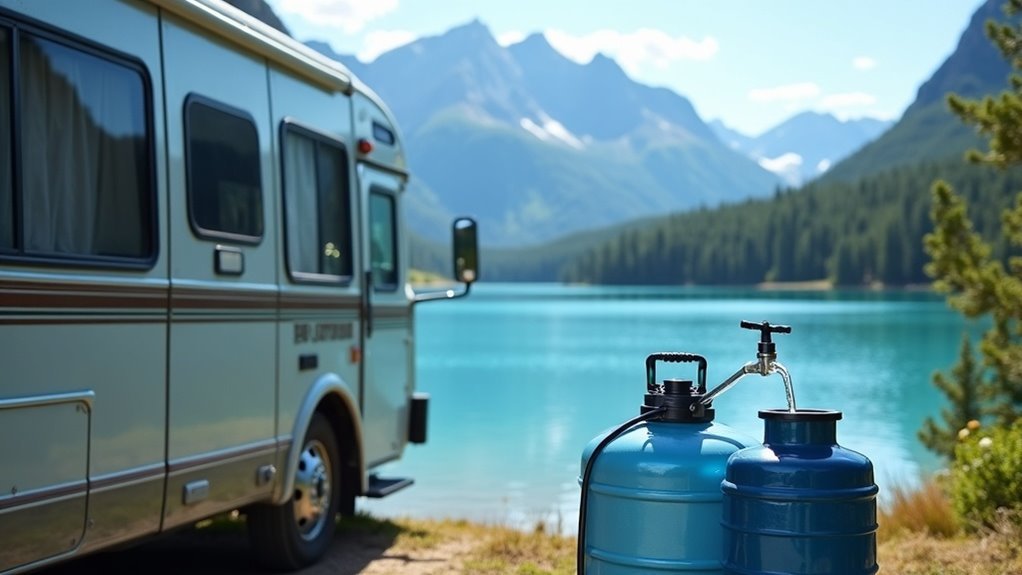
For those who practice dispersed camping, a portable water bladder can be an essential tool, enabling you to refill your freshwater tank with ease.
Before you embark on your journey, ensure your water system is equipped with a high-quality water filtration system, such as the Clearsource Premier. This will provide you with safe drinking water from various sources, which is vital for maintaining your health and well-being in any situation.
Always prioritize water safety in your survival planning.
How to Ensure Your Drinking Water Is Safe
Ensuring your drinking water is safe during RV travel is crucial for your survival and preparedness, especially as you encounter varying water quality across different regions.
Here are three key steps to follow:
- Use a drinking water hose to fill your tanks, making sure it’s specifically designed for potable water to prevent contamination.
- Invest in a reliable water filter system, such as the Clearsource Premier, to eliminate harmful contaminants and enhance the taste of your water supply.
- Regularly inspect your water system for signs of algae or discoloration, particularly after utilizing older or questionable water sources, to maintain a safe and reliable water supply.
The Evolution of Our Water System
When transitioning from van life to an Airstream, upgrading your water system isn’t just a luxury—it’s a necessity for preparedness.
What once sufficed with basic jugs now demands a reliable filtration solution like the Clearsource Premier, ensuring you have safe and clean drinking water, even in challenging environments.
Understanding these upgrades is crucial, as they enhance your comfort and guarantee you’re strategically equipped for any adventure or survival situation you may encounter on the road.
Previous Water System
As you transition from van life to the preparedness of an Airstream, it’s crucial to enhance your water system to align with your survivalist lifestyle.
Initially, you relied on two seven-gallon jugs and a 2.5-gallon jug for washing dishes, but these limited resources can be insufficient for extended journeys or emergencies. A backpacking water filtration system provided access to clean drinking water when necessary, but let’s aim for something more robust.
Consider these three essential upgrades for your water system:
- A freshwater tank for ample water storage, ensuring you have a reliable supply in times of need.
- A water pressure regulator to maintain consistent flow, crucial for efficient use during critical situations.
- A high-quality filtration system, such as the Clearsource Premier, to safeguard against contaminants and provide peace of mind.
These improvements won’t only enhance your travel experience but also support your preparedness efforts for any unforeseen circumstances.
Recommended Filtration Solutions
Upgrading your water system is crucial for any survivalist or prepper looking to ensure a reliable water supply during your travels or in emergency situations.
One exceptional choice is the Clearsource Premier water filter, engineered to ensure your RV’s freshwater is free from harmful contaminants, providing safe drinking water no matter where you are.
Additionally, incorporating durable hoses and a robust water pressure regulator can boost efficiency and accessibility, making it easier to manage your water supply.
Don’t overlook the importance of a portable backpacking water filtration system as a reliable backup for emergencies.
This strategic combination not only secures your water resources but also offers peace of mind, allowing you to focus on what truly matters during your adventures or preparedness efforts.
How We Get Potable Water While Dispersed Camping
When you’re out dispersed camping, having a solid plan for securing potable water is crucial for survival.
Begin by filling your RV’s freshwater tank before your trip to ensure you have a base supply. In addition, consider using a portable water bladder to gather extra water from nearby natural sources.
It’s vital to invest in a reliable filtration system to purify any water you collect, ensuring it’s safe to drink.
Always be prepared for unexpected situations by knowing alternative water sources and having backup purification methods, such as chemical treatments or UV sterilizers, in your survival gear.
Pre-trip Water Tank Fill
Starting your RV adventure with a full freshwater tank is crucial for your self-sufficiency, especially if you’re venturing into remote areas where resources may be scarce.
Here are three essential tips to ensure you’re well-prepared for any situation:
- Fill your freshwater tank to capacity for shorter trips, but for longer journeys, consider limiting the amount to reduce weight and improve fuel efficiency. Always assess your needs based on the duration of your outing and the availability of water sources along your route.
- Utilize a portable water bladder to gather additional water while dispersed camping. This not only provides extra supply but also enhances your adaptability in unforeseen circumstances, ensuring you have enough water no matter where your travels take you.
- Invest in a reliable water filtration system, such as the Clearsource Nomad, to guarantee safe drinking water from natural sources. Clean, potable water is a fundamental aspect of survival, so having a dependable filtration solution can make all the difference.
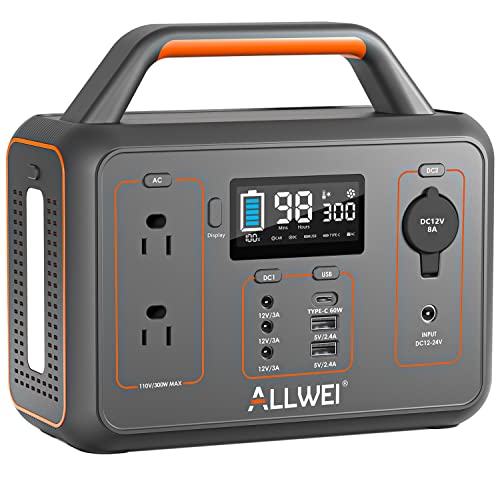
Remember to check for a 120v outlet to power your transfer pump for easy water access.
Being prepared with the right tools and knowledge can significantly enhance your RV experience and ensure your readiness for any challenges ahead.
Portable Water Bladder Use
Filling your RV’s freshwater tank is just the first step in ensuring you have enough water for your survival adventures.
A portable water bladder can hold 5 to 30 gallons of potable water, making it an essential tool for dispersed camping or emergency situations. You can fill it from natural sources or designated fill stations, ensuring you have access to water when you need it most.
To transfer water to your RV’s freshwater tank, use a 1/10 horsepower transfer pump, which simplifies the process of accessing clean water. Just remember, you’ll need a 120v outlet for the pump to operate effectively.
Always clean and sanitize the bladder before use to ensure your water remains safe and invigorating, especially when preparing for potential emergencies.
Natural Source Filtration Options
While exploring the great outdoors, ensuring access to safe drinking water is crucial for survival, especially during dispersed camping.
Here are some effective natural source filtration options that every prepper should consider:
- Clearsource Nomad Water Filter System: This portable filter is an essential tool for removing contaminants from natural water sources, making them safe for consumption. It’s a reliable choice for those who prioritize preparedness.
- Water Quality Testing: Always test the water quality at natural sources before use. Untreated water can pose serious health risks, so being equipped with a testing kit can help you make informed decisions about your water supply.
- 1/10 Horsepower Transfer Pump: This device is invaluable for easily moving filtered water to your RV’s freshwater tank or any storage container. It ensures you have continuous access to clean drinking water, which is critical for long-term survival situations.
With these tools in your survival kit, you can confidently enjoy your camping adventures while staying prepared for any situation!
Daily Water Usage in RV Living
Managing daily water usage in RV living is essential for a successful and sustainable trip, especially for those focused on survivalism and prepping. With freshwater tanks typically holding between 20 to 100 gallons, conserving every drop is crucial for self-sufficiency.
The average American uses about 80 gallons daily, but by implementing strategic water-saving techniques, you can stretch your supply significantly. Consider adopting Navy showers—quick, efficient, and invigorating, perfect for limited resources.
Pay close attention to the black and gray water tank levels, as both can fill up quickly in a survival situation. Simple practices, like collecting cold water while waiting for hot, can help maximize efficiency.
Water Conservation Tips
To ensure you’re prepared for any situation during RV travel, implementing effective water conservation techniques is essential. Here are three practical strategies to help you manage your water supply wisely:
- Navy Shower Technique: Wet down, turn off the water, soap up, and rinse. This method can save you gallons of water per minute, making it crucial for long-term survival scenarios.
- Dishpan Method: Instead of letting the water run continuously, wash your dishes in a dishpan. This not only conserves water but also allows you to reuse it for other purposes, such as cleaning.
- Flush Less: Adopt the “if it’s yellow, let it mellow; if it’s brown, send it down” approach to reduce toilet flushing in your RV. This helps to conserve precious water resources, especially when in remote locations.
Alternative Solutions for Water Usage
As you embark on your RV adventures, exploring alternative solutions for water usage can significantly enhance your preparedness and self-sufficiency.
Consider installing a composting toilet, which minimizes water flow and eliminates the need for flushing, conserving valuable resources. With separate chambers for solids and liquids, maintenance becomes straightforward, allowing you to allocate more water to your freshwater tank for essential needs.
Additionally, a propane fire pit provides a smoke-free, water-efficient means to enjoy campfires without the need for water to extinguish them, making it an excellent choice for survival situations.
Utilizing a 12-volt water pump to transfer water from extra containers can help you manage your supply effectively, ensuring you make the most of every drop in times of need.
Final Thoughts on Water Security During Travels
While the allure of the open road is undeniable, securing a reliable water supply is critical for any survivalist or prepper during RV travels.
Here are three essential strategies to ensure you have access to safe water:
- Always keep your water tank filled by planning regular trips to dependable water sources, ensuring you’re prepared for any situation.
- Invest in a high-quality water filtration system to ensure that the water you consume is safe and free from contaminants.
- Carry portable water containers to store additional water, allowing for easy transfers and ensuring you have sufficient supplies in case of emergencies.