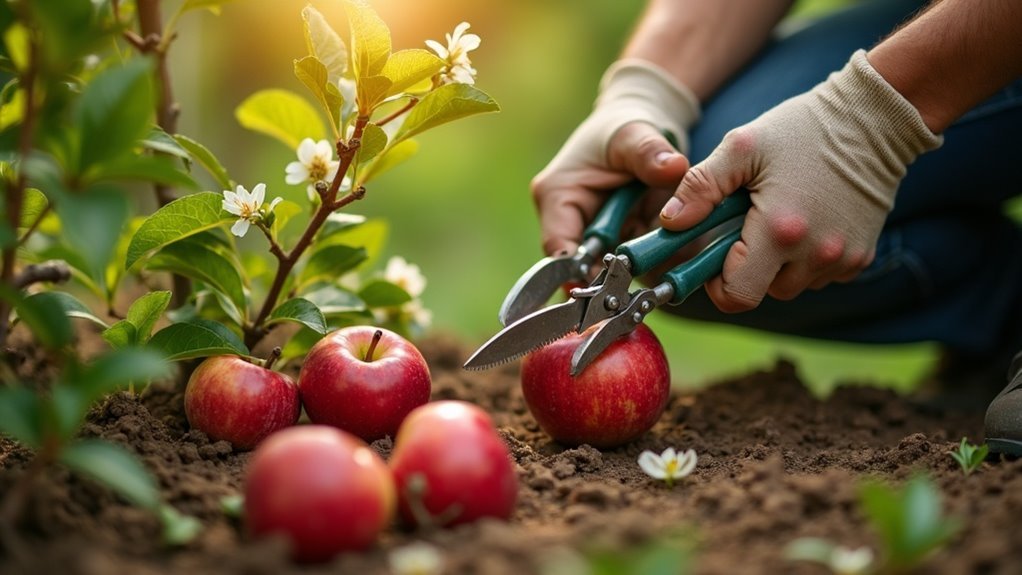
To prune fruit trees for maximum yield while considering survivalism and prepping, it’s best to do so during their dormant season, ideally in late winter or early spring. Focus on removing dead or damaged wood, as well as enhancing air circulation to promote healthy growth. Maintaining a central leader is crucial for maximizing sunlight exposure, which is essential for fruit production. Always use sterilized tools to ensure cleanliness and make sharp cuts at a 45-degree angle to minimize the risk of disease, which can be detrimental in a survival situation.
Be cautious not to over-prune; it’s advisable to keep at least 25% of the canopy intact to ensure the tree remains healthy and productive. Post-pruning care is vital for recovery and increased yield, so be sure to water the trees adequately and apply mulch to retain moisture and suppress weeds. These practices will help ensure a bountiful harvest, which is key for self-sufficiency in a prepping lifestyle. Explore further for detailed techniques and tips tailored to sustainable fruit tree management in a survival context.
Key Takeaways
- Prune during the dormant period in late winter or early spring to enhance the tree’s resilience and productivity, essential for a self-sufficient food supply.
- Focus on removing dead, damaged, or crossing branches to improve air circulation and light penetration, which can help in growing a healthier crop in a survival situation.
- Retain sufficient lateral branches to ensure maximum fruit production, allowing you to rely on your own resources during challenging times.
- Utilize sterilized, sharp tools to minimize damage and reduce the risk of disease entry, ensuring your food source remains strong and sustainable.
- Limit canopy removal to no more than 25% to avoid over-pruning and promote resilience in fruit trees, aligning with the principles of preparedness and sustainability.
Why Prune Fruit Trees
Pruning fruit trees is a crucial practice for survivalists and preppers, as it ensures the overall health and productivity of these vital food sources. By removing dead, diseased, or damaged wood, you can minimize the risk of pests and diseases that could threaten your food supply.
Pruning enhances tree health, controls pest populations, and encourages new growth, which is essential in a self-sufficient lifestyle. Moreover, proper pruning improves air circulation and sunlight penetration, both of which are critical for producing high-quality fruit.
A well-structured tree is better equipped to handle the weight of its fruit, reducing the chances of branch breakage during harvest time. Regular pruning helps direct the tree’s energy toward producing fewer, but higher-quality fruits, resulting in a more productive orchard.
In a survival situation, maintaining healthy fruit trees can provide a reliable source of nutrition, making pruning not just a gardening task, but an essential element of long-term preparedness and self-reliance.
A well-maintained orchard can be a significant asset in any survival strategy, leading to a more bountiful and rewarding harvest.
When to Prune Fruit Trees
Knowing when to prune fruit trees is essential for ensuring they remain healthy and productive, which is especially important for those focused on survivalism and prepping. Most trees benefit from pruning during their dormant period, ideally in late winter or early spring, after the risk of late frost has passed. In Iowa, the best time to prune is typically March and early April, aligning with the trees’ natural growth cycles. Remember to remove dead or damaged wood immediately, regardless of the season, to prevent any potential threats to your food supply.
| Season | Best Practices | Risks |
|---|---|---|
| Late Winter | Start pruning | Risk of late frost |
| Early Spring | Finalize pruning | New growth damage |
| Mid-Summer | Prune sweet cherries | Fungal and bacterial diseases |
| Fall | Avoid pruning | Winter cold damage |
| Winter | Not recommended | Increased susceptibility to diseases |
What to Prune Fruit Trees With
When you’re prepared to prune your fruit trees as part of your self-sufficient survival strategy, having the right tools is essential for ensuring clean cuts that promote healthy growth.
Here’s what you’ll need in your toolkit:
- Sterilized hand pruners for trimming small branches and twigs, helping you maintain your trees without compromising their health.
- Loppers for managing branches around 1 inch thick, allowing you to effectively control the tree’s shape and growth.
- Saw for cutting through branches 3 inches thick or more, crucial for larger limbs that may impede access to your food sources.
- Sharp blades to minimize bruising and prevent the entry of disease, which is vital for maintaining a resilient food supply.
- 45-degree angle cuts to enhance healing and reduce the risk of rot, ensuring your trees remain productive and robust.
Utilizing the right pruning tools is key to making effective cuts, leading to healthier trees and ultimately better fruit yields for your preparedness needs.
How to Prune Fruit Trees
To ensure the survival and productivity of your fruit trees, it’s essential to prune them during their dormant season, typically in late winter or early spring.
Begin by using sterilized, sharp tools to prune the trees, concentrating on removing dead wood and damaged branches. This practice enhances air circulation and light penetration, which are critical for healthy growth.
Implement a central leader system, promoting scaffold branches to grow at a 30 to 45-degree angle for optimal sunlight exposure.
After pruning, monitor the health of your trees by providing adequate water and mulch, and conduct regular inspections for pests or diseases. This proactive approach is vital for ensuring a sustainable food source in your prepping and survival efforts.
Common Mistakes to Avoid When Pruning
When managing your fruit trees in a survival garden, it’s crucial to avoid over-pruning, as this can stress the tree and negatively impact its fruit yield—an essential resource for self-sufficiency.
Additionally, neglecting the tree’s natural shape can lead to structural issues that might compromise the tree’s resilience against harsh weather conditions, limiting sunlight access and ultimately affecting fruit quality.
Over-pruning Trees
While maintaining healthy fruit trees is important for self-sufficiency and survival, over-pruning can lead to significant issues that compromise the tree’s overall vitality.
To avoid detrimental effects, consider the following guidelines:
- Limit canopy removal to no more than 25% in a single season to ensure the tree remains robust.
- Retain sufficient lateral branches to maximize fruit production, which is vital for food security.
- Time your pruning appropriately to protect new growth from harsh winter conditions.
- Be mindful of the tree’s natural structure and growth habits to promote resilience.
- Remember that excessive pruning can disrupt nutrient absorption, ultimately impacting the tree’s health and your long-term food supply.
Ignoring Natural Shape
Over-pruning can lead to significant problems, but neglecting the natural shape of your fruit trees can present its own set of challenges. Disregarding a central leader or open center can hinder air circulation and light exposure, both of which are essential for healthy fruit production. Improper cuts may disrupt growth patterns, leading to uneven weight distribution and an increased risk of branch breakage. Always make clean, angled cuts to minimize the potential for disease, and ensure your trees are properly maintained for optimal yield.
| Issue | Impact on Fruit Trees |
|---|---|
| Ignoring natural shape | Reduces fruit production |
| Poor air circulation | Decreases fruit quality |
| Uneven weight distribution | Increases branch breakage risk |
In the context of survivalism and prepping, maintaining fruit trees is crucial for a self-sustaining food source. Proper pruning techniques not only enhance fruit yield but also ensure your trees withstand harsh conditions and continue to provide nourishment for your family.
Post-Pruning Care
Once you’ve finished pruning your fruit trees, it’s crucial to implement proper post-pruning care to ensure they remain healthy and productive, especially in a survival situation.
This stage is vital for confirming your tree thrives and contributes to your self-sufficiency.
- Monitor the tree’s health for signs of stress or disease, as a healthy tree is essential for your food supply.
- Ensure adequate watering, particularly in the weeks following pruning, to support recovery and growth.
- Apply mulch around the base to retain soil moisture, which is especially important in case of water shortages.
- Fertilize with a balanced, slow-release option if necessary to promote strong growth.
- Regularly inspect the pruned tree for pests or diseases, as open cuts can attract harmful insects that threaten your food source.