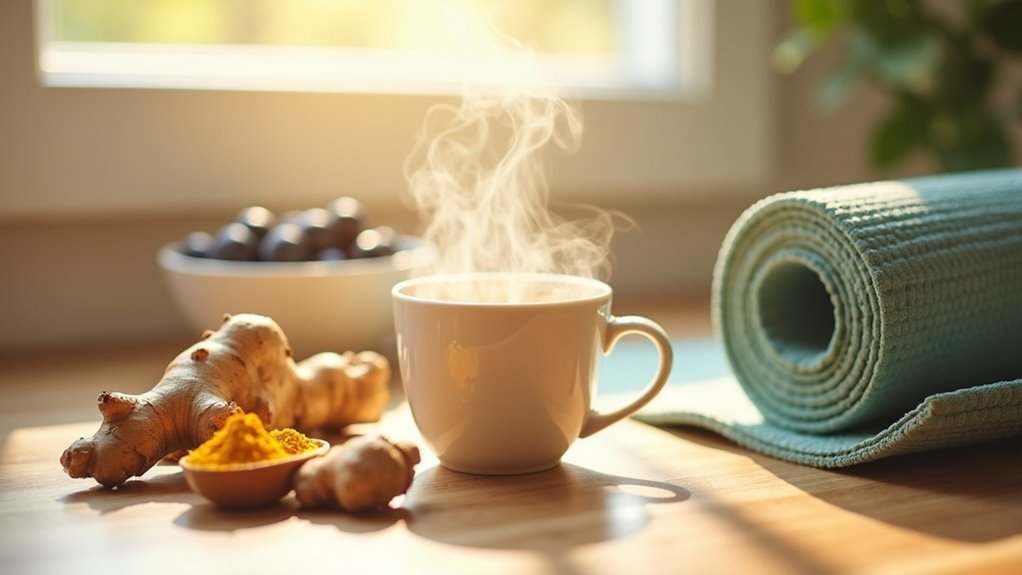
To effectively manage pain in a survival situation using nonprescription options, start by incorporating over-the-counter medications like acetaminophen or ibuprofen, ensuring you adhere to dosing guidelines. It’s crucial to include non-pharmacological techniques that can be essential in austere environments—consider physical therapy exercises to maintain strength and mobility, and engage in mind-body practices like meditation and breathing exercises to bolster mental resilience. Additionally, explore alternative therapies such as acupuncture; this holistic approach can provide further relief in challenging conditions. Continually assess and adapt these strategies to create a comprehensive pain management plan tailored to your survival needs.
Key Takeaways
- Stockpile over-the-counter pain medications such as acetaminophen or ibuprofen for effective pain relief during emergencies, ensuring you follow proper dosing guidelines.
- Incorporate non-pharmacological techniques like physical exercise and movement practices to maintain strength and mobility, which are crucial in survival situations.
- Develop mind-body techniques like meditation and controlled breathing exercises to manage stress and maintain clarity during challenging times.
- Utilize heat or cold therapy using readily available materials to manage inflammation and promote relaxation in affected areas during crises.
- Explore complementary therapies such as acupuncture or massage techniques that can be learned and practiced at home for additional pain relief and overall well-being in a survival scenario.
Understanding Non-Pharmacological Pain Management
When preparing for emergencies or survival situations, incorporating non-pharmacological pain management techniques can be an essential aspect of your overall strategy.
These methods, such as physical therapy, focus on enhancing strength and mobility, ensuring you can perform necessary tasks in challenging conditions. Mind-body techniques, like meditation and breathing exercises, can help alleviate stress and improve mental resilience during tough times.
Additionally, utilizing heat and cold therapy, along with regular physical activity, effectively reduces inflammation and promotes relaxation, which can be crucial in survival scenarios.
Effective Over-the-Counter Pain Medication Options
When preparing for survival situations, understanding the various over-the-counter (OTC) medication options for pain management is crucial.
In your survival kit, consider including choices like acetaminophen, ibuprofen, and topical creams, each serving a unique purpose in addressing pain.
Always be sure to follow dosing guidelines closely to ensure both safety and effectiveness in pain relief, especially in high-stress scenarios.
Being prepared can make a significant difference in your ability to manage discomfort during emergencies.
Types of OTC Medications
Over-the-counter (OTC) pain medications can be valuable tools in a survivalist or prepping scenario, providing effective options for managing mild to moderate pain when access to advanced medical care may be limited. Understanding these options can empower you to choose the right one for your needs in a preparedness situation.
| Medication Type | Examples | Key Benefits |
|---|---|---|
| Acetaminophen | Tylenol | Effective for pain relief, less gastrointestinal irritation, easy to store in emergency kits |
| Nonsteroidal Anti-Inflammatory | Ibuprofen, Naproxen | Reduces pain and inflammation, ideal for injuries and strains during survival situations |
| Topical Pain Relief | Creams, Patches (Lidocaine) | Provides localized relief, minimal systemic side effects, useful for treating specific injuries without oral medications |
Explore these OTC options to ensure you have the most suitable solutions for pain relief in your emergency preparedness plan.
Safe Usage Guidelines
To ensure safe and effective use of OTC pain medications during survival situations, it’s crucial to follow the dosing guidelines provided on the packaging. Adhering to these guidelines helps prevent adverse effects and reduces risks, such as liver damage from excessive acetaminophen use.
For NSAIDs, taking them with food can minimize stomach irritation, which is especially important in survival scenarios where food may be scarce. Avoid mixing multiple medications that contain the same active ingredient to prevent overdose.
Always consult a healthcare provider if you have pre-existing health conditions or are taking other medications, as this can be critical in ensuring your health while managing pain.
Exploring Physical and Occupational Therapy
While navigating the challenges of survivalism can often feel overwhelming, exploring physical and occupational therapy offers effective, nonprescription options that empower you to reclaim your daily activities and enhance your preparedness.
Physical therapy involves customized exercise programs aimed at improving strength and mobility, which can provide significant pain relief and help you recover from injuries sustained during survival training or outdoor activities.
On the other hand, occupational therapy teaches you adaptive techniques to perform daily tasks safely and efficiently, minimizing pain and maximizing your resilience in challenging situations.
Both therapies create personalized treatment plans tailored to your needs, enhancing your ability to manage pain and improve your overall quality of life, especially if you’re dealing with chronic pain conditions that could impact your survival skills.
Mind-Body Techniques for Pain Relief
Survivalism and prepping emphasize the importance of mental resilience alongside physical preparedness, especially when it comes to managing pain during challenging situations. Mind-body techniques can be a crucial component in maintaining your composure and well-being in the face of adversity. Practices such as mindfulness and focused breathing can help you stay calm, alleviate stress, and enhance your pain management strategies when resources are limited. Regularly incorporating these techniques into your routine can bolster your emotional fortitude and overall quality of life, essential for any survivalist.
| Technique | Benefits |
|---|---|
| Mindfulness | Enhances focus and reduces pain perception |
| Breathing Exercises | Lowers heart rate and promotes calmness |
| Meditation | Alleviates stress and muscle tension, improving mental clarity |
Alternative Therapies: Acupuncture and More
As you prepare for potential emergencies and seek nonprescription options for managing discomfort during challenging times, alternative therapies like acupuncture can provide effective relief. This practice involves inserting thin needles into specific points to stimulate nerves, promoting natural pain alleviation.
Research indicates it can be beneficial for conditions like chronic back pain and arthritis, which can be crucial when resources are limited.
Consider these key points about alternative therapies in the context of survivalism:
- Acupuncture helps balance your body’s energy, or “qi,” which can be vital in maintaining overall well-being during stressful situations.
- It can enhance the effectiveness of other pain management strategies you may employ while prepping.
- Other therapies like chiropractic care, massage, and physical therapy can also support pain relief, making them valuable skills to learn or access.
- Many individuals report an improved quality of life after treatments, making these non-opioid options worth exploring as part of your survival toolkit.
Crafting a Personalized Pain Management Plan
Creating a personalized pain management plan is essential for effectively addressing your individual needs and experiences, especially in survival situations where injuries can occur.
Start by incorporating non-opioid medications, like acetaminophen or NSAIDs, tailored to your pain levels, which are crucial for maintaining functionality during emergencies.
Regular physical activity, such as gentle aerobic exercises, can enhance strength and mobility, allowing you to better navigate your environment and respond to threats.
Integrate mind-body techniques, including mindfulness and breathing exercises, to promote relaxation and reduce stress, helping you stay focused and clear-headed in challenging situations.
Additionally, consider complementary therapies like physical therapy, yoga, or therapeutic massage to target specific pain issues, which can be beneficial when access to medical care is limited.
Collaborate with your healthcare provider to set realistic goals and adjust your individualized plan based on effectiveness and ongoing needs, ensuring you remain prepared and resilient in any circumstance.