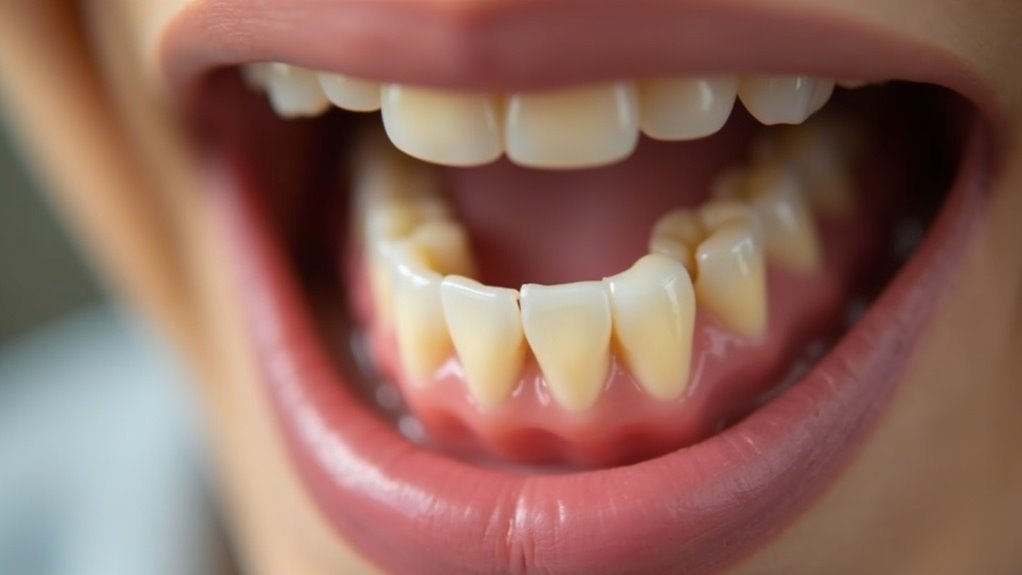
If you find yourself with a broken tooth while navigating the challenges of survival situations, it’s essential to take immediate action to mitigate discomfort and prevent further complications. Start by rinsing your mouth with warm salt water to help reduce the risk of infection. Applying a cold compress to your cheek for about 15 minutes can numb the pain and minimize swelling. If there is any bleeding, gently press a clean piece of cloth or gauze on the affected area to control it.
To protect your mouth from sharp edges, consider using dental wax or sugar-free gum as a temporary barrier. Focus on consuming soft foods that won’t aggravate the injury. Over-the-counter pain relievers can also provide relief. Remember, while these steps can assist in the short term, seeking professional dental care should be a priority when circumstances allow. Stay prepared and informed about long-term care options for your dental health in any survival scenario.
Key Takeaways
- Apply a cold compress to reduce swelling and numb pain for 15 minutes at a time, which can be crucial in survival situations.
- Cover sharp edges with dental wax or sugar-free gum to prevent injury, ensuring you can continue to function effectively.
- Rinse with warm salt water to eliminate bacteria and support oral hygiene, maintaining your health when resources may be limited.
- Use over-the-counter pain relievers like acetaminophen or ibuprofen for pain control, which can be essential in a survival scenario.
- Seek professional dental care promptly to prevent complications and further damage, as maintaining your health is vital for long-term preparedness.
Immediate Care Steps for a Broken Tooth
If you find yourself with a broken tooth, it’s crucial to act quickly to minimize pain and prevent further damage, especially in a survival situation where access to dental care may be limited.
First, apply a cold compress to your cheek near the broken tooth for 15 minutes to reduce swelling and numb the pain—this is an effective way to manage discomfort in the field.
Apply a cold compress to your cheek for 15 minutes to reduce swelling and alleviate pain from a broken tooth.
Cover sharp edges with dental wax or sugar-free gum to protect your mouth and prevent injury. Over-the-counter pain relievers like acetaminophen or ibuprofen can help manage discomfort, but avoid aspirin if you’re experiencing bleeding, as it can exacerbate the situation.
This situation qualifies as a dental emergency, so it’s essential to seek professional dental care as soon as possible. Early consultation increases treatment options and helps prevent complications, which may include the need for a temporary filling or more extensive procedures later on.
Always be prepared with a basic first aid kit that includes dental care supplies for emergencies like this.
Rinse With Warm Salt Water
Rinsing with warm salt water can be an essential survival skill for maintaining oral health, especially in emergency situations where dental care may not be readily available.
This straightforward method serves to eliminate bacteria, lower the risk of infection, and ease pain associated with a broken tooth. To create this remedy, simply mix half a teaspoon of salt in a glass of warm water and swish it around your mouth for about 30 seconds before expelling it.
- Helps dislodge food particles trapped around the broken tooth
- Supports oral hygiene when access to dental care is limited
- Inexpensive and easy to prepare with minimal resources
- Often recommended by dental professionals for temporary relief in survival scenarios
It is advisable to repeat this rinse several times a day to ensure optimal care and maintain oral health when faced with challenging conditions.
Control Bleeding Effectively
To control bleeding from a broken tooth in a survival situation, place a clean piece of gauze over the area and apply gentle pressure for 10-15 minutes.
If bleeding continues, consider using a damp tea bag, as the tannins can help promote clotting.
If the bleeding persists after 30 minutes, it’s crucial to seek emergency dental care or use your survival knowledge to stabilize the situation until professional help is available.
Always be prepared with a first aid kit that includes gauze and other essential supplies for emergencies.
Apply Pressure With Gauze
Applying pressure with gauze is a crucial skill in managing injuries, such as bleeding from a broken tooth, especially in survival situations.
First, ensure you have a clean piece of gauze ready for use. Place it directly over the injured area and apply steady, gentle pressure for 10-15 minutes to facilitate clotting.
Be mindful not to excessively move the gauze, as this can disrupt the formation of a stable clot. If bleeding persists after 30 minutes or is heavy, it’s important to seek emergency dental care as soon as possible.
Additionally, keeping your head elevated can help minimize blood flow to the affected area.
- Always use clean gauze for hygiene and safety
- Apply gentle, consistent pressure to aid clotting
- Limit movement of the gauze to enhance clot stability
- Monitor bleeding closely for any changes
In survival scenarios, knowledge of basic first aid can be invaluable.
Use Tea Bag Clot
After applying pressure with gauze, you might still notice some bleeding from a broken tooth. In survival situations, where access to dental care may be limited, a damp tea bag can serve as a temporary fix.
Tea bags contain tannins that promote clotting, which can help to effectively stop the bleeding. Place the moistened tea bag against the bleeding site and hold it there for 10-15 minutes, ensuring it’s not dripping to avoid further irritation.
If the bleeding continues for more than 30 minutes despite these measures, it’s crucial to seek dental care as soon as possible. Remember, managing bleeding is essential for survival until you can access proper treatment.
Seek Emergency Care
Experiencing bleeding from a broken tooth can be alarming, and it’s crucial to act quickly to control it effectively, especially in a survival situation where access to dental care may be limited.
If bleeding continues after 30 minutes of applying pressure, it’s important to seek emergency care from a dentist as soon as possible, as this may indicate a serious injury.
- Use clean gauze or a damp tea bag to encourage clotting; both are items that can be found in a well-stocked first aid kit.
- Monitor for excessive blood loss or signs of infection, which can be critical in a survival scenario.
- Controlling the bleeding is essential for preventing complications that could hinder your ability to survive in harsh conditions.
- Don’t delay tooth repair; prompt treatment is key to ensuring better overall health and resilience.
Addressing a dental emergency swiftly can significantly impact your recovery and survival.
Always be prepared with the necessary supplies and knowledge to handle such situations when they arise.
Cover Sharp Edges for Protection
To shield your mouth from the sharp edges of a broken tooth during survival situations, utilize dental wax or sugar-free gum as a temporary barrier.
It’s crucial to apply it securely over the jagged areas to enhance comfort while eating or speaking, especially when resources are limited.
Remember, this makeshift solution isn’t a replacement for professional dental care, so prioritize scheduling an appointment when you regain access to proper medical assistance.
Always be prepared for any dental emergencies in your survival plan.
Use Dental Wax
Dental wax can be a valuable tool for survival situations, especially when it comes to managing dental emergencies. If you find yourself with a broken tooth in the field, dental wax offers a straightforward method to protect your mouth from sharp edges.
To use it, simply pinch off a small amount, roll it into a ball, and press it onto the jagged edge for temporary relief. This quick fix can help alleviate discomfort while you strategize your next steps for professional dental care.
- Provides immediate relief from sharp edges in survival scenarios
- Easy to apply and remove, making it practical for on-the-go situations
- Readily available over-the-counter, ensuring you can stock up during your prepping
- Crucial for comfort until you can access a dentist
Keep in mind, this is a temporary solution, but it can make a significant difference in maintaining your well-being in an emergency.
Sugar-Free Gum Alternative
When faced with a broken tooth in a survival situation, using sugar-free gum can serve as a practical and effective way to cover sharp edges, providing temporary protection for your mouth.
This short-term measure acts as a makeshift dental filling, helping to shield the tooth and prevent jagged edges from irritating your tongue and cheeks.
It’s crucial to confirm the gum is sugar-free, as sugary substances can exacerbate dental problems, especially when resources are limited.
Regularly replace the gum to maintain its protective qualities until you can obtain professional dental care.
Apply a Cold Compress for Pain Relief
Applying a cold compress to the cheek near your broken tooth can effectively help reduce inflammation and numb the pain, which is essential in a survival situation where access to professional dental care may be limited.
This temporary measure provides pain relief until you can obtain the necessary resources for proper dental treatment. To use a cold compress effectively in a prepping context:
- Wrap ice or frozen items from your survival kit in a cloth to avoid frostbite.
- Apply it for 15 minutes, then take a 15-minute break to prevent skin damage.
- Repeat multiple times a day as needed, but ensure it doesn’t come into direct contact with the tooth to avoid further injury.
Use Over-the-Counter Pain Relief
Managing pain from a broken tooth is crucial for survival situations where access to dental care may be limited. In these cases, over-the-counter pain relief can be a valuable resource. Options like acetaminophen or ibuprofen can help you control discomfort effectively, but it’s vital to adhere to the recommended dosages to avoid complications.
Be cautious with aspirin if there’s any bleeding, as it can exacerbate the issue.
In addition to oral medications, topical numbing gels containing benzocaine can provide temporary relief. However, use them sparingly, as they aren’t a substitute for professional dental care when it becomes available.
If your pain persists or worsens, this may indicate more significant damage that requires immediate attention from a dentist. Being prepared with a basic medical kit that includes these pain relief options can be essential for your overall survival strategy.
Avoid Certain Foods and Drinks
After addressing pain management, it’s important to contemplate your diet to protect your broken tooth. To minimize discomfort and avoid further damage, follow these guidelines:
- Stick to soft foods, like mashed potatoes and yogurt, which are easy to chew and digest.
- Avoid hot or cold foods and drinks to prevent sensitivity and discomfort.
- Refrain from biting on the side with the broken tooth to lessen pain and avoid aggravating the injury.
- Steer clear of hard, crunchy, or sticky foods that can worsen the break and potentially lead to further dental issues.
In the spirit of survivalism and prepping, consider stocking up on soft, nutritious foods that can support your healing while ensuring you have the necessary supplies on hand for any dental emergencies.
When to Seek Professional Dental Help
When should you seek professional dental help for a broken tooth in a survival situation? If you experience persistent or worsening pain and swelling, it’s crucial to understand that you need to address the issue promptly.
Visible breaks or jagged edges should be evaluated immediately to assess potential damage and explore treatment options, which may include securing the tooth or considering alternatives if you’re off-grid.
Signs of infection, such as increased pain, redness, or discharge, require urgent attention to prevent further complications.
In a survival scenario, delaying treatment can lead to severe consequences, including the risk of losing the tooth entirely.
Timely dental care is essential for maintaining your tooth pulp and overall dental health, even in emergencies where resources may be limited.
Always have a dental first aid kit on hand and be prepared for potential dental issues in uncertain times.