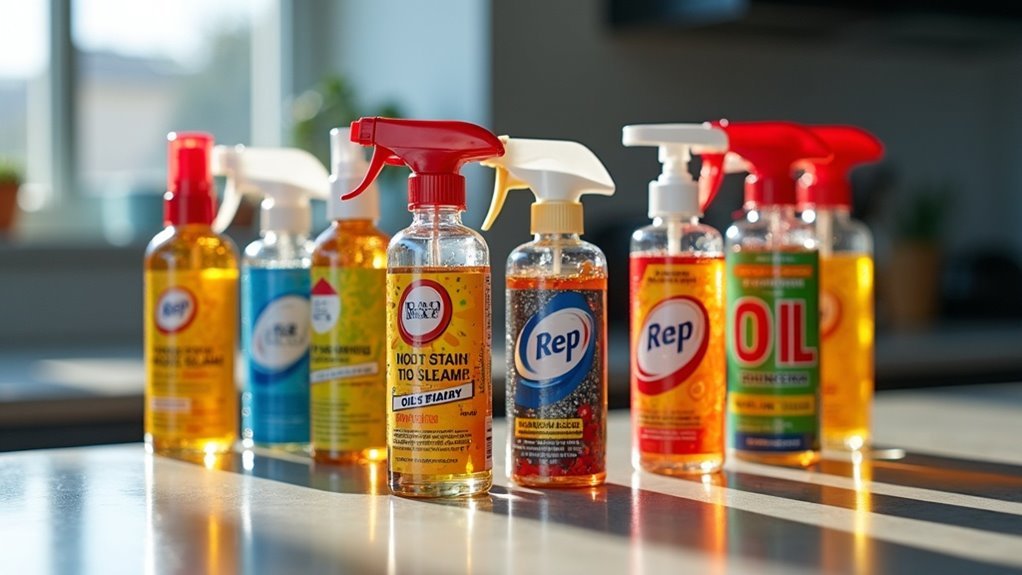
To disinfect laundry without power, especially in survival situations, gather essential supplies such as a rubber plunger, two buckets, and white distilled vinegar. Begin by filling one bucket with warm water mixed with a biodegradable detergent. Soak your clothes for 15-30 minutes to loosen dirt and grime. Next, agitate the fabrics manually with the plunger for 10-15 minutes to effectively remove contaminants. Afterward, rinse the clothes in the second bucket filled with a vinegar solution, which acts as a natural disinfectant. Finally, hang your laundry in direct sunlight; the UV rays will help deodorize and eliminate bacteria. This straightforward method ensures your laundry remains hygienic, a crucial aspect of prepping for self-sufficiency. For more effective techniques and tips, keep exploring survival strategies.
Key Takeaways
- Create a DIY hand-powered washer using a 5-gallon bucket paired with a rubber toilet plunger for effective manual agitation and cleaning, ideal for off-grid situations.
- Soak clothes in warm water mixed with biodegradable detergent, adding white distilled vinegar to boost disinfection and combat pathogens.
- Rinse garments in a separate bucket filled with a vinegar solution to effectively eliminate bacteria and odors, ensuring your gear remains sanitary.
- Hang laundry to dry in direct sunlight, a natural method for killing bacteria and deodorizing fabrics, which is essential for maintaining hygiene in survival scenarios.
- Use a washboard or a Rapid Washer to enhance agitation and thoroughly clean heavily soiled items, ensuring that you are prepared for any situation.
Understanding the Importance of Disinfecting Laundry
Disinfecting laundry is crucial for maintaining a healthy and safe living environment, particularly when dealing with essential items like underclothes, towels, and diapers.
Utilizing hot water in conjunction with a reliable sanitizer can significantly reduce the presence of germs and bacteria, which is especially important in communal laundry situations where the risk of cross-contamination is higher.
Using hot water with a trusted sanitizer effectively minimizes germs, especially in shared laundry environments prone to cross-contamination.
Regularly disinfecting your laundry ensures that your clothing remains clean, free from unpleasant odors, and devoid of harmful pathogens, which is vital for survival and well-being.
In survival or off-grid scenarios, maintaining hygiene is paramount, as it can prevent illness and keep your household healthy.
You can enhance your laundry routine by incorporating white distilled vinegar as a natural rinse agent, which offers additional sanitizing properties.
By prioritizing these practices, you can uphold high hygiene standards even in challenging situations.
Essential Supplies for Disinfecting Without Power
When you’re disinfecting laundry without power, having the right supplies is crucial for survival.
Essential disinfecting agents like white distilled vinegar and bleach are critical for effective sanitation, ensuring your family stays healthy during challenging times.
Tools such as a rubber toilet plunger and a 5-gallon bucket are indispensable for manually washing your clothes when electricity is unavailable.
Additionally, consider packing biodegradable detergent strips and natural oils like tea tree or lavender to enhance cleaning efficacy while remaining environmentally conscious.
Equip yourself with these supplies to navigate any power outage with confidence.
Essential Disinfecting Agents
Keeping your laundry fresh and sanitized without power is entirely achievable with the right essential disinfecting agents, especially for those who prioritize survivalism and prepping.
Start with white distilled vinegar, a natural sanitizer that effectively removes odors when added to rinse water, making it a reliable choice for off-grid living. For robust disinfection, consider using bleach in hot water, but exercise caution to protect your fabrics and ensure you have adequate ventilation.
Hydrogen peroxide serves as a powerful non-toxic alternative, effectively targeting bacteria and viruses—essential for maintaining hygiene in survival situations.
Enhance your wash with essential oils like tea tree or lavender, which not only offer antimicrobial properties but also add a pleasant scent to your laundry, helping to maintain morale during tough times.
Finally, baking soda is a versatile tool in your prepper arsenal, acting as a gentle disinfectant and deodorizer that neutralizes odors while boosting your laundry detergent’s cleaning power.
Incorporating these agents into your laundry routine will help you stay prepared and maintain cleanliness even in challenging conditions.
Necessary Washing Tools
To effectively wash your laundry in a survival situation without power, you’ll need a few essential tools that are vital for maintaining cleanliness and hygiene.
Start with two 5-gallon buckets, one equipped with drainage holes for rinsing. A rubber toilet plunger serves as a manual agitator, allowing you to clean your clothes by mixing water and soap effectively.
Consider adding white distilled vinegar to your rinse water for its disinfecting properties and ability to eliminate odors, which is particularly useful in a survival scenario.
A washboard or Rapid Washer can greatly enhance agitation, improving your washing efficiency and ensuring your clothes are thoroughly cleaned.
Finally, create a DIY laundry wringer from extra buckets to easily extract excess water, making the drying process simpler and more efficient, which is crucial when resources are limited.
Step-by-Step Manual Washing Process
To begin the manual washing process, collect your essential survival supplies, which include two 5-gallon buckets, a reliable laundry soap, and a sanitizer for disinfecting.
This straightforward procedure will enable you to wash and sanitize your clothing without the need for power, an essential skill for self-sufficiency in any survival situation.
Gathering Necessary Supplies
Before you begin the manual washing process, it’s crucial to gather the necessary supplies for effective laundry disinfecting, especially in a survival situation.
Collect two 5-gallon buckets—one with holes for drainage and the other for rinsing. A rubber toilet plunger can serve as a handy tool for agitation, and you’ll want to use biodegradable laundry soap to minimize environmental impact.
Prepare warm water for soaking and rinsing, and consider adding a sanitizer like bleach or white distilled vinegar for disinfection, which can be essential in preventing the spread of germs.
A mesh laundry bag will help protect delicate items during the wash. Lastly, ensure you have a drying rack available for use in a well-ventilated area or outdoors, which will aid in natural deodorizing and help your clothes dry efficiently, especially when resources are limited.
Step-by-Step Washing Procedure
To begin the washing process in a survival situation, first, gather a large basin or bucket and fill it with warm water, if available. Add an appropriate amount of biodegradable laundry detergent, which is essential for minimizing environmental impact and maintaining sustainability. Allow your clothes to soak for 15-30 minutes to help loosen dirt and grime accumulated during your outdoor activities.
Next, manually agitate the clothes using a washboard or plunger for 10-15 minutes, focusing on any stained areas that may require extra attention. Rinse the clothes in clean water, ensuring to change the water until it runs clear, which is critical to eliminate any detergent residue that could attract pests.
For disinfection, especially important in survival scenarios where hygiene is paramount, soak the rinsed clothes in a hot water solution mixed with bleach or white vinegar for 10-15 minutes. This step will help kill any lingering bacteria or pathogens.
After soaking, rinse the clothes again thoroughly.
Finally, wring out any excess water and hang the clothes to dry in sunlight, as the UV rays will further aid in disinfecting and freshening your garments, making them ready for your next survival adventure.
Effective Disinfecting Solutions: Bleach vs. Vinegar
While both bleach and vinegar can be useful in a survivalist’s laundry routine, understanding their unique properties will help you choose the right solution for your needs in a prepping situation.
Bleach is a powerful disinfectant that can eliminate a wide range of bacteria and viruses, making it invaluable for sanitizing clothing in emergency scenarios. When using bleach, dilute it properly—1 cup per gallon of water—on whites and colorfast fabrics to prevent any damage.
Conversely, vinegar provides natural antibacterial properties and can safely sanitize most fabrics when added as a rinse, typically at 1 cup per load. It also neutralizes odors and softens fabrics, offering a gentler, eco-friendly alternative.
Always perform a patch test on new fabrics to avoid potential discoloration or damage, especially when resources may be limited.
Tips for Drying Clothes Naturally
When you want to dry your clothes naturally in a survival situation, utilizing the elements can greatly enhance efficiency and ensure your gear remains fresh.
Hang your laundry on a clothesline in direct sunlight, which not only deodorizes but also helps eliminate bacteria, crucial for maintaining hygiene in the wilderness.
Take advantage of any breeze to expedite drying, even on overcast days when sunlight might be limited.
In adverse weather conditions, such as rain or cold, consider drying indoors near a heat source, but ensure proper air circulation to prevent mustiness.
For heavy items, like towels or blankets, roll them in a dry towel first to soak up excess moisture, reducing overall drying time.
Target days with low humidity and gentle winds for optimal drying conditions, as these factors are essential for effective gear maintenance in a prepping lifestyle.
Maintaining Laundry Hygiene Off-Grid
After ensuring your clothes are dried naturally, maintaining hygiene during laundry is crucial, especially when off-grid.
To effectively disinfect your laundry, use hot water combined with natural sanitizers like white distilled vinegar or essential oils during the rinse cycle. A DIY hand-powered washer made from a 5-gallon bucket and a toilet plunger can be an efficient solution for washing your clothes in a survival situation.
For increased sanitation, soak your garments in a baking soda mixture beforehand. Be sure to rinse them in a separate bucket with added vinegar to ensure thorough disinfection.
Finally, air drying in sunlight not only kills bacteria but also deodorizes fabrics naturally, making it an essential step in your laundry process while prepping for self-sufficiency.