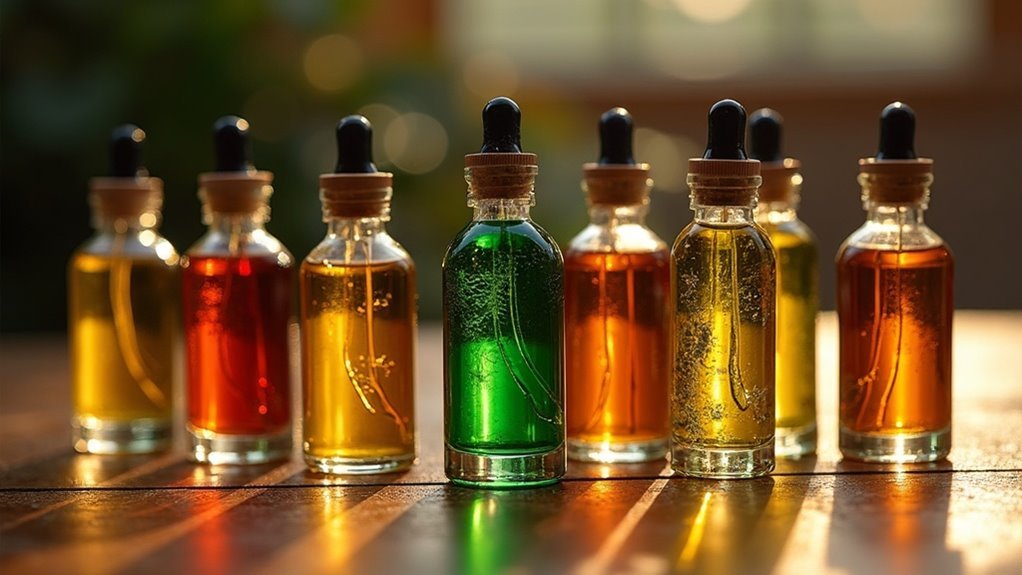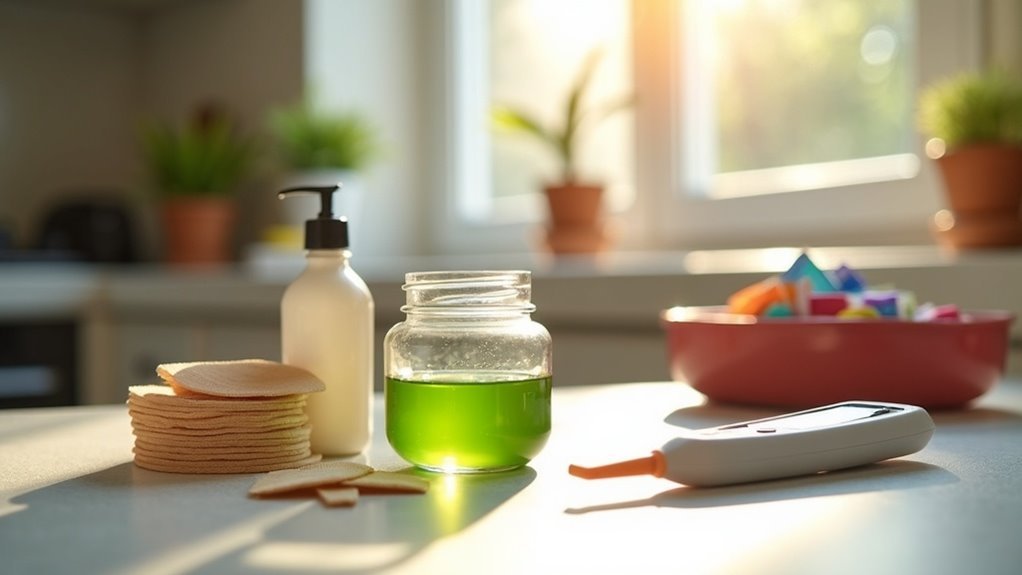
To create a burn care plan at home, especially in the context of survivalism and prepping, start by evaluating the burn severity. For minor burns, cool the area under running water, remove tight clothing, and apply aloe vera or other natural remedies. Cover the area with sterile gauze to protect it from infection. For major burns, seek emergency help immediately, while protecting the area with a clean cloth. Avoid applying ice, butter, or breaking blisters, as these can worsen the injury.
In a survival situation, it’s crucial to monitor for signs of infection or complications, as access to medical care may be limited. Keep a detailed record of healing progress and consider stockpiling natural remedies and sterile supplies in your prepper inventory. Following these safety guidelines will ensure effective treatment and improve your chances of a successful recovery in any scenario. Equip yourself with essential knowledge about burn care practices to enhance your preparedness plan.
Key Takeaways
- Understand the different types and severities of burns to effectively assess the situation and decide when to seek professional medical help.
- Outline first aid procedures for treating both minor and major burns, emphasizing the importance of cooling the burn area and applying appropriate dressings.
- Assemble a comprehensive burn care kit stocked with survival essentials, such as sterile gauze, aloe vera for soothing, and antibiotic ointment to prevent infection.
- Implement a monitoring system to evaluate the healing process and identify any potential complications or signs of infection as part of your preparedness strategy.
- Develop a detailed emergency action plan that includes contact information for local burn centers, medical professionals, and alternative treatment options in case of severe burns.
Assessing Burn Severity
When evaluating burn severity in a survival situation, it’s crucial to identify the depth of the burn, as this classification directly influences your treatment decisions and preparedness strategies.
First-degree burns affect only the epidermis, presenting as red and painful; these can often be managed with basic first aid supplies.
Second-degree burns involve the dermis, showing redness and blisters, which may require more advanced care and resources.
Third-degree burns damage all skin layers, appearing dry, leathery, or charred, and necessitate immediate attention and possibly evacuation to a medical facility.
When assessing burn severity, also consider the size; burns over 3 inches or those located on sensitive areas (like the face, hands, or joints) require urgent medical intervention.
In a survival scenario, it’s critical to monitor for complications like infection, especially in deeper injuries, as these can complicate recovery and may necessitate a change in your treatment approach to ensure proper healing and survival.
Always be prepared with a well-stocked first aid kit and knowledge of burn care to enhance your ability to respond effectively in emergencies.
First Aid for Minor Burns
In survival situations, knowing how to treat minor burns effectively can be crucial for maintaining health and morale. Quick first aid can alleviate pain and facilitate recovery. Begin by cooling the burn under running water for 5-10 minutes. Remove any tight clothing or jewelry to prevent constriction and further injury. After cooling, apply aloe vera, if available, to keep the burn moisturized. Cover the burn loosely with sterile gauze or a clean cloth to protect it from dirt and infection. If necessary, consider taking an over-the-counter pain reliever like ibuprofen to manage discomfort.
| Step | Action | Purpose |
|---|---|---|
| 1 | Cool the burn | Reduces pain and swelling |
| 2 | Remove constricting items | Prevents further injury |
| 3 | Apply aloe vera | Keeps the burn moisturized |
| 4 | Cover with gauze | Protects from infection |
Treatment for Major Burns
When dealing with major burns, it’s crucial to prioritize immediate medical attention, as these injuries can be life-threatening.
In a survival situation, protect the affected area by carefully removing any tight items and covering the burn with a clean cloth or gauze. Always have a first aid kit on hand that includes burn dressings.
Keep a close watch on the injured person for signs of shock, such as rapid heartbeat or confusion, as these can indicate a critical situation.
Being prepared and knowledgeable about burn treatment can be vital in an emergency.
Immediate Medical Attention Required
Major burns require immediate medical attention due to the risk of serious complications if not treated promptly.
In a survival situation, if you encounter burn injuries larger than 3 inches or affecting sensitive areas like the face or groin, it’s crucial to seek medical care as soon as possible.
Be vigilant for symptoms such as smoke inhalation or rapid swelling, especially in vulnerable populations like infants or the elderly.
While waiting for professional help, you can provide first aid by ensuring the person’s breathing is stable, protecting the burn wound from further injury, and loosely covering it with a clean cloth to prevent infection.
In a prepping context, it’s important to know that treatment often involves specialized care, which may include skin grafts at an ABA-verified burn center, so having a plan to reach such a facility is essential for your survival strategy.
Protect and Cover Area
Protecting and covering a burn area is crucial for effective treatment in survival situations. First, ensure the individual is safely removed from the source of the burn and assess their breathing. If necessary, perform rescue breathing to maintain their airway.
Carefully remove any tight clothing or jewelry from the burned area to accommodate swelling. Next, use sterile gauze or a clean cloth to loosely cover the area, preventing infection and further damage.
Elevating the burned area above heart level can aid in reducing swelling. Continuously monitor the individual for any changes in their condition while providing care, and ensure they receive prompt medical attention for their injuries, as maintaining health and safety is essential in survival scenarios.
Monitor for Shock Symptoms
As you assess a burn victim in a survival situation, it’s crucial to closely monitor for symptoms of shock, which can quickly develop after a major burn.
Look for signs such as rapid heartbeat, shallow breathing, confusion, weakness, and pale or clammy skin. If you notice these shock symptoms, lay the person down with their legs elevated above heart level to help improve blood flow.
Keep them warm and comfortable while waiting for medical assistance, as shock can lower body temperature.
Be vigilant for signs of rapid swelling in the burn area, indicating a worsening condition that requires immediate medical attention.
Reassure the victim and avoid giving them food or drink until help arrives, as maintaining their stability is paramount in a survival scenario.
When to Seek Medical Attention
Knowing when to seek medical attention for burns is crucial in survival situations, as proper healing can prevent complications that may jeopardize your safety.
Here are some scenarios where you should act immediately:
- Severe burns larger than 3 inches or involving critical areas (face, hands, feet, groin) that could limit mobility or functionality in a survival scenario.
- Signs of smoke inhalation or rapid swelling that may indicate a life-threatening condition.
- Minor burns affecting the eyes, mouth, hands, or genitals, particularly in vulnerable populations like babies and the elderly, who may require immediate care.
- Second-degree burns with blisters and signs of infection (increased redness, warmth, drainage) that could worsen your overall health in a survival situation.
- Burns that don’t show signs of improvement or worsen within a few days, as untreated injuries can hinder your ability to survive in the wild.
Always be prepared with a first aid kit and knowledge of how to manage burns effectively in emergency situations.
What to Avoid in Burn Care
Understanding what to avoid in burn care is essential for anyone focused on survivalism and prepping.
Don’t apply ice directly to a burn; it can worsen tissue damage and hinder recovery. Avoid using butter, oils, or antibiotic ointments, as they trap heat and can slow healing.
Never break blisters; they serve as a natural barrier against infection. Instead of adhesive bandages, opt for non-stick dressings that won’t damage the skin during removal.
Lastly, don’t hesitate to seek help from medical professionals for burns larger than a hand or those affecting sensitive areas, as prompt treatment is vital to prevent complications and ensure effective healing in any survival situation.
Monitoring for Infection and Recovery
Monitoring the burn site daily is critical for identifying signs of infection and ensuring effective recovery, especially in a survival or prepping scenario.
Here are key practices to follow:
- Vigilantly observe for increased redness, swelling, warmth, or any discharge from the burn site.
- Pay attention to any changes in pain levels; a rise in pain may indicate the onset of infection.
- Protect the burn with a clean, non-stick dressing and change it regularly to minimize exposure to contaminants.
- Gently clean the area with mild soap and water; apply antibiotic ointment if it’s part of your first aid supplies and advised by a knowledgeable source.
- Keep a record of the healing process; seek medical attention if the burn worsens or doesn’t show improvement within a week, as untreated infections can pose serious risks in survival situations.