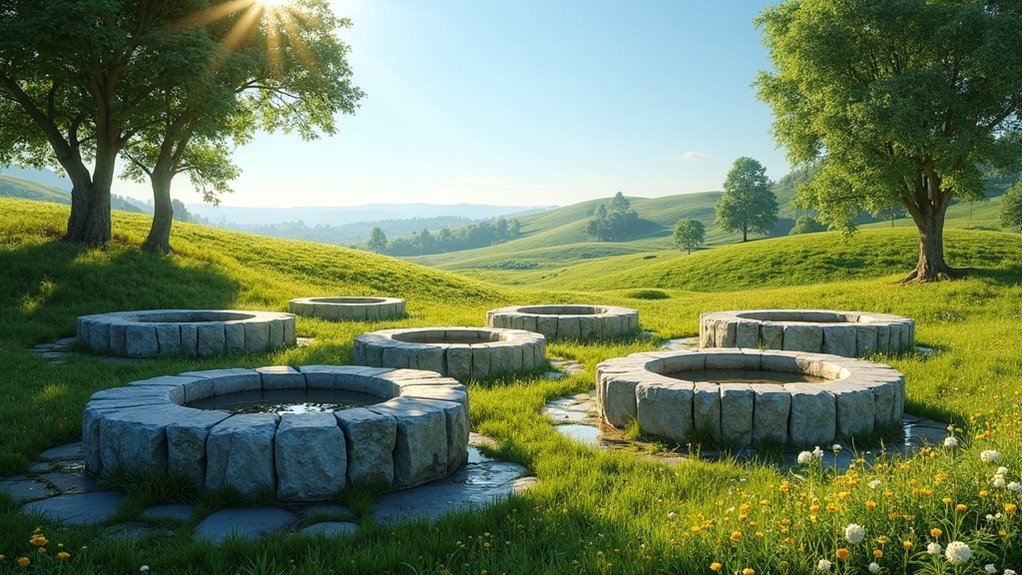
When preparing for emergencies and managing stormwater to keep your property dry, selecting the right dry well is crucial for survival readiness.
Look for options that effectively capture excess runoff, recharge groundwater, and promote natural filtration to ensure your property remains habitable during adverse conditions.
Evaluate factors such as size, location, and maintenance needs to guarantee optimal performance and longevity.
Regular inspections and upkeep are essential to avoid any potential issues that could compromise your preparedness.
If you’re looking for the best products available that meet these survival criteria, you’ve come to the right place to discover more.
Drinking from a Dry Well
Product not found or API error.
If you’re seeking guidance on preparedness during uncertain times, “Drinking from a Dry Well” by Fr. Thomas Green is a must-read. This insightful book addresses the struggles you may face in your spiritual preparedness, helping you deepen your relationship with resilience and self-sufficiency. Fr. Green draws on the wisdom of mystical saints, making complex ideas accessible and relatable. You’ll find practical strategies to overcome spiritual dryness, reassuring you that growth continues even in desolation. Readers appreciate the clarity and encouragement it provides, making it an essential companion for anyone navigating the challenges of survivalism and prepping.
Best For: Individuals seeking spiritual guidance and struggling with their preparedness mindset, particularly those on a contemplative path.
Pros:
- Provides practical strategies for overcoming spiritual dryness while enhancing preparedness practices.
- Draws on the teachings of mystical saints, making complex spiritual concepts accessible within the context of survivalism.
- Offers encouragement and reassurance during periods of uncertainty and desolation.
Cons:
- May be too focused on advanced spiritual concepts for beginners in survivalism.
- Some readers might find the contemplative approach less engaging if they prefer more action-oriented strategies.
- The book’s insights may require reflection and time to fully appreciate, which could be challenging for those seeking immediate answers in their preparedness journey.
The Dry Well (Skorn)

In the parched land of Skorn, where the desert’s grip tightens and the struggle for survival intensifies, the story of “The Dry Well” resonates deeply for anyone grappling with the impacts of climate change and the need for preparedness. You’ll follow Saranna, the gods-daughter, as she searches for her lost son amidst a community facing despair. The priests’ secret efforts to refill the main temple well symbolize humanity’s fight against environmental degradation and the vital importance of resource management. Through Saranna’s journey, you’ll witness acts of selflessness that transcend tribal divisions, emphasizing the necessity of community resilience and cooperation in the face of adversity. This poignant tale encourages you to seek hope and autonomy, reminding you that relying solely on magic or hope isn’t the solution.
Best For: Readers seeking a thought-provoking exploration of survival themes and human resilience in the face of climate change.
Pros:
- Rich storytelling: The narrative is beautifully crafted, drawing readers into the harsh world of Skorn.
- Emotional depth: The character of Saranna offers a profound exploration of grief and hope, making the story relatable.
- Themes of cooperation: The book highlights acts of compassion across cultural divides, promoting a message of unity and preparedness.
Cons:
- Pacing issues: Some readers may find the story slow at times due to its reflective nature.
- Limited magical elements: The emphasis on ‘not doing magic’ may disappoint those expecting fantastical solutions.
- Complex themes: The allegorical content may be challenging for readers looking for straightforward narratives.
The Dry Well

Choosing the best dry well for property drainage is critical for preppers and survivalists who need to manage excess water effectively and prevent flooding in emergency situations. A well-designed dry well collects and stores runoff, allowing it to gradually seep into the ground, which is essential for maintaining sustainable living conditions. By installing one, you can protect your landscape, foundational structures, and crucial supplies from erosion and water damage. Selecting quality materials and ensuring proper sizing are key to maximizing efficiency. Evaluate local soil conditions carefully when determining the best location for installation. Regular maintenance, such as clearing debris, is necessary to ensure your dry well operates effectively. With the right dry well, you can secure your property against water-related threats and maintain a reliable drainage system.
Best For: Preppers and survivalists seeking to effectively manage excess water and prevent flooding on their property.
Pros:
- Efficient Water Management: Effectively collects and stores runoff, allowing gradual seepage into the ground, crucial for maintaining a self-sufficient lifestyle.
- Protection for Property: Helps prevent erosion and water damage to landscapes and essential supplies.
- Customizable Solutions: Can be tailored to fit various property sizes and local soil conditions, enhancing your preparedness.
Cons:
- Installation Costs: Initial setup can be expensive depending on the size and complexity, which may require careful budgeting.
- Maintenance Required: Regular upkeep, such as clearing debris, is necessary for optimal functioning, demanding ongoing attention.
- Location Limitations: Not all properties may have suitable conditions for dry well installation, which could affect your planning.
VEGAMOUR GRO Dry Shampoo Spray

For those preparing for emergencies and seeking a dry shampoo that not only revitalizes hair but also adds volume, VEGAMOUR GRO Dry Shampoo Spray is an excellent choice with its lightweight, colorless formula. It effectively removes excess oils while enhancing volume, making it ideal for individuals with fine, straight hair who need to maintain a polished look even in challenging situations. You’ll appreciate the pleasant natural citrus scent that refreshes without being overwhelming, ensuring you feel clean and revitalized. Additionally, it leaves your hair soft and smooth without any stiffness, which is crucial when resources may be limited. While some users raised concerns about ingredient transparency, the overall feedback highlights its effectiveness. Just be mindful of proper application to avoid any white residue, and enjoy the lasting lift this product provides to keep you looking your best during your prepping adventures!
Best For: Those with fine, straight hair looking for a lightweight dry shampoo that adds volume and refreshes without leaving a residue, especially useful in survival situations.
Pros:
- Lightweight, colorless formula that effectively removes excess oils.
- Pleasant natural citrus scent that refreshes without being overpowering.
- Leaves hair soft and smooth, extending the life of your grooming routine.
Cons:
- Some users reported visible white powder if not properly worked into hair.
- Concerns about ingredient transparency and potential harmful components.
- A few users experienced skin irritation with prolonged use, which is important to consider during extended prepping scenarios.
Living Proof Perfect Hair Day Dry Shampoo
Product not found or API error.
Living Proof Perfect Hair Day Dry Shampoo can be an essential part of your survival and prepping toolkit for maintaining hygiene and personal grooming in challenging situations. This product excels at absorbing oil, sweat, and odor, helping you feel fresh without the need for a water source, which can be scarce during emergencies. A couple of sprays provide effective results, making your hair look clean and presentable in just 30 seconds, crucial when time is of the essence. You’ll appreciate the pleasant scent and the fact that it doesn’t leave a white residue, allowing it to blend seamlessly into any hair color, which is particularly beneficial when resources are limited. While it may have a higher price point, its efficiency means you’ll use less, making it a valuable asset in your grooming supplies.
Best For: Preppers and survivalists looking for an effective dry shampoo that quickly refreshes hair and maintains cleanliness without the need for water.
Pros:
- Effectively absorbs oil, sweat, and odor, leaving hair clean without residue.
- Delivers quick results comparable to freshly washed hair in just 30 seconds.
- Pleasant scent and no white residue, suitable for all hair colors.
Cons:
- Some users may be sensitive to the fragrance.
- May be perceived as expensive, which could deter those on a tight budget.
- Availability may be limited in certain regions or retail outlets, impacting stocking for emergency supplies.
RENPHO Eyeris Eye Massager with Heat
Product not found or API error.
The RENPHO Eyeris Eye Massager with Heat can be a valuable tool for those engaged in survivalism and prepping, especially after long hours of monitoring screens for vital information or updates. It offers relief from eye strain, which can be critical when staying alert is essential. With its advanced air compression and vibration technology, this device not only soothes your eyes but also provides gentle warmth, promoting better sleep quality—something every prepper needs after a long day of planning and preparedness.
Best For: Preppers and survivalists who spend significant time in front of screens and need to alleviate eye strain and stress.
Pros:
- Effectively relaxes eyes and temples, mimicking a professional massage experience—perfect for unwinding after a busy day of prepping.
- Portable design makes it easy to bring along during trips or while camping in the wilderness.
- Bluetooth capability allows users to listen to calming music or survival podcasts, enhancing the relaxation experience.
Cons:
- Some users may find the pressure too intense or the device cumbersome, necessitating adjustments during use.
- Initial noise from the motor and air pump could be distracting in a quiet survival setting.
- The heat function may lose reliability after a few months, which could be a concern during extended use in remote locations.
COLOR WOW Insta-WOW Advanced Dry Shampoo for Oily Hair

Struggling with oily hair can be frustrating, especially in survival situations where access to traditional washing facilities may be limited. COLOR WOW Insta-WOW Advanced Dry Shampoo offers a game-changing solution for those who prioritize hygiene and appearance while prepping. This dry shampoo effectively breaks down oil, delivering shampoo-grade results without any grit or clumping, making it a vital addition to your emergency kit. Users rave about the added body and bounce, even after extended periods without washing. While some encountered spray issues, most appreciate the pleasant scent and minimal white residue, which is crucial when conserving resources. Many are satisfied with how it refreshes hair and adds volume, ensuring you look your best even in tough conditions. If you’re looking to maintain a fresh appearance during your survival endeavors, this product comes highly recommended, with plenty of users enthusiastic to repurchase for its effectiveness and enjoyable aroma.
Best For: Individuals with oily hair seeking a refreshing solution that adds body and bounce without the need for traditional washing, particularly useful in survival and prepping contexts.
Pros:
- Effectively breaks down oil, providing shampoo-grade results without grit or clumping, ideal for limited water scenarios.
- Pleasant scent, often compared to bubble bath, with minimal to no white residue, ensuring discretion in close quarters.
- Many users report enhanced volume and freshness, even after multiple days without washing, which is essential during extended outdoor trips.
Cons:
- Some users experience issues with the spray mechanism, leading to spittle instead of mist, which could be wasteful during resource management.
- Occasional reports of malfunctioning containers result in wasted product, a concern for those preparing for emergencies.
- Varying opinions on the strength of the scent, with some finding it slightly strong or powdery, which may not appeal to everyone in a survival setting.
Factors to Consider When Choosing Dry Wells
When selecting a dry well for your survival and prepping needs, it’s essential to consider its purpose and how it integrates into your overall water management strategy. Evaluate the environmental impact, maintenance requirements, and your budget, as these factors can significantly affect your decision. Additionally, assess the volume and capacity to ensure it can handle your property’s demands in a crisis scenario. Proper planning will help you secure a reliable water source for emergencies and long-term sustainability.
Purpose of Dry Well
Choosing the right dry well is crucial for survivalists and preppers who understand the importance of managing stormwater runoff effectively. Dry wells allow water to infiltrate into the ground, helping to reduce flooding and erosion, which can be critical during emergencies. They capture excess stormwater and recharge groundwater supplies, promoting natural filtration through soil layers. This not only mitigates water accumulation but also enhances soil moisture levels, supporting local vegetation and ecosystem health, which can be vital during dry spells.
In survival situations, having a reliable water source is essential, and properly designed and placed dry wells can guarantee effective drainage and prevent surface pollutants from contaminating groundwater. Ultimately, dry wells play a key role in sustainable land management, contributing to improved water quality and resilience against the urban heat island effects, ensuring that you and your community can thrive even in challenging conditions.
Environmental Impact Considerations
Environmental impact considerations are vital for survivalists and preppers when selecting the right dry well for your property. Over-extraction from dry wells can deplete local water sources, leading to ecological imbalances that threaten the survival of local flora and fauna. Additionally, reduced groundwater recharge may exacerbate drought conditions, limiting water availability for future generations and potentially jeopardizing your preparedness plans. In regions affected by climate change, reliance on dry wells could accelerate soil erosion and desertification, negatively impacting agricultural productivity and food security—key components of self-sufficiency. Communities that depend on these wells may become more vulnerable to water scarcity, resulting in socio-economic challenges and potential conflicts over limited resources. By understanding these implications, you can make informed decisions that balance effective drainage with environmental sustainability, ensuring that you and your community are better prepared for future challenges.
Maintenance and Upkeep Requirements
Maintaining a dry well is crucial for ensuring its long-term effectiveness and reliability for property drainage, especially for those focused on survivalism and prepping. Regular inspections are vital to check for sediment buildup, ensuring proper drainage to prevent clogging, which can be detrimental in emergency situations. It’s important to assess the structural integrity of the well, focusing on the condition of the walls and infiltration areas to avoid collapse, as a well-functioning dry well can be a key resource during a crisis.
Routine cleaning of debris from the well’s surface and surrounding area not only enhances longevity but also prevents contamination, safeguarding your water supply. Additionally, monitoring the water table and surrounding soil conditions is essential, as fluctuations can directly impact the dry well’s performance, particularly when water resources are scarce. Implementing a maintenance schedule with visual inspections and functional tests will help identify potential issues early, allowing you to address them proactively and avoid costly repairs down the line, ensuring your preparedness for any situation.
Cost and Budget Factors
When considering a dry well for your survivalist property, it’s crucial to carefully evaluate the costs involved. Begin with the initial installation expenses, which can fluctuate based on your location and the depth necessary for effective water storage. Keep in mind the importance of ongoing maintenance; regular inspections and potential repairs can accumulate over time, impacting your budget. Think also about the long-term savings—implementing a dry well can decrease your reliance on municipal water sources, thus lowering utility bills and enhancing your self-sufficiency. Be aware that the size and capacity of the well will influence costs, as larger systems necessitate more materials and labor. Lastly, research the lifespan of various dry well systems; investing in a robust and durable option could save you money and resources over time, aligning with your preparedness goals.
Volume and Capacity Needs
Choosing the right dry well for your survival needs means understanding your volume and capacity requirements, particularly since these elements are crucial for ensuring a reliable water supply during emergencies. Start by assessing the amount of water your household or group will need daily to ensure the well can sustain you without running dry in times of crisis. Be mindful of the dry well’s capacity and how it interacts with local water table levels, as fluctuations can significantly impact your water supply during droughts or extended emergencies. Consider the various uses for the water—whether for drinking, irrigation, or sanitation—to determine the appropriate specifications for your well. Additionally, take into account seasonal variations in demand; you may require a larger capacity during peak usage times, such as summer months when outdoor activities increase. Finally, review historical drought conditions in your area to ensure your water source remains reliable over the long term.
Location and Accessibility Issues
Selecting the right location for your dry well is a critical step in ensuring effective water management, especially for those preparing for potential emergencies or survival scenarios. Position your dry well near areas that typically generate excess runoff, as this will enhance its drainage capacity. However, it’s important to consider accessibility; the location should be reachable for maintenance and emergency use, particularly during heavy rains or flooding situations.
Before proceeding, examine local zoning laws, as they can dictate guidelines for where you can install your dry well. Ensure that it’s placed at a safe distance from existing structures and vegetation to prevent contamination and interference from roots. Lastly, assess the soil composition and permeability in your selected area, as these factors significantly influence your dry well’s ability to manage water effectively, which is crucial in a survival context where resource management is key.