To effectively ant-proof your sugar storage for survival and prepping, utilize airtight containers made from durable materials such as glass or heavy-duty plastic. Ensure these containers accommodate standard sugar bag sizes for efficient storage solutions. Regularly inspect seals for any signs of wear, and keep your sugar stored in a cool, dry environment to deter pests. It’s essential to maintain cleanliness by frequently sweeping and wiping down surfaces to eliminate any food debris that could attract ants. Conduct routine inspections for indications of infestation, such as trails or clumping. Understanding these fundamental practices is just the beginning; there are additional measures you can take to enhance your pest prevention strategies in a preparedness context.
Key Takeaways
- Utilize airtight containers crafted from robust materials like glass or heavy-duty plastic to secure sugar against ant intrusion, ensuring your food supplies remain protected during times of uncertainty.
- Conduct regular inspections of your sugar storage for any signs of infestation, such as ant trails or small holes, to prevent any potential threats to your provisions.
- Keep your pantry organized and clean by sweeping and wiping down surfaces to deter ants and eliminate any food residues that could attract pests, reinforcing your survival strategy.
- Store sugar in a cool, dry location to minimize moisture, which can draw in unwanted pests and compromise your food storage efforts.
- Clearly label containers for quick identification and routinely check seals for wear to guarantee they stay airtight, safeguarding your supplies for long-term preparedness.
Understanding the Importance of Ant-Proof Storage
When you consider how easily ants can invade your kitchen, understanding the importance of ant-proof storage becomes crucial for survivalists and preppers.
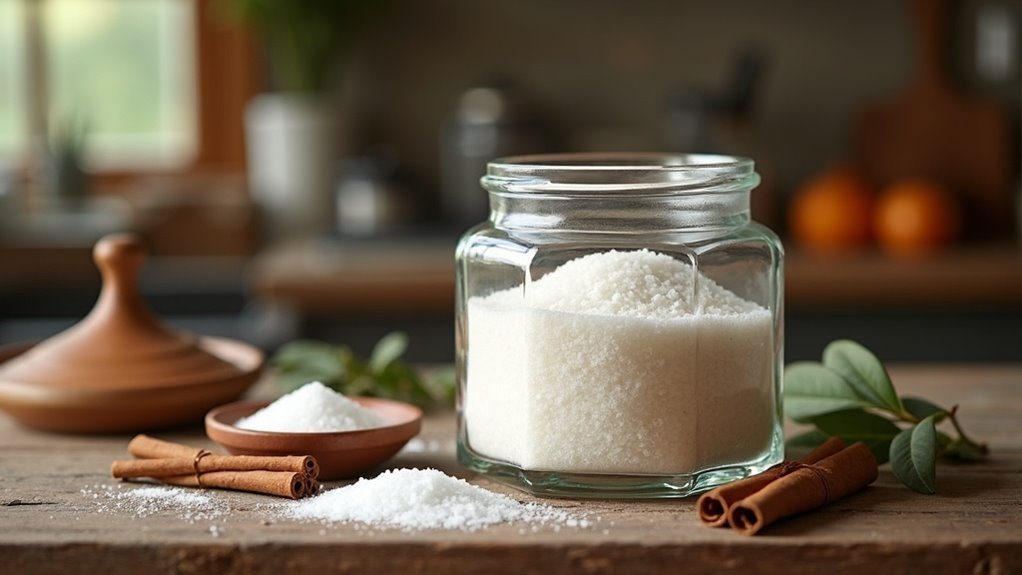
To safeguard your food supplies, particularly sugar, investing in airtight containers is essential. Screw-top canisters or glass jars effectively keep ants and moisture at bay, ensuring your sugar remains dry and clump-free—vital for long-term storage.
Investing in airtight containers is crucial to keep ants and moisture away, ensuring your sugar stays dry and ready for long-term use.
Opting for containers that fit standard 5-pound sugar bags streamlines your storage process and minimizes the risk of ants accessing open bags, which is critical in a self-sufficient lifestyle.
Regularly inspecting these containers for signs of infestation is imperative to maintain your food supply. Coupled with a clean storage area, utilizing effective ant-proof containers significantly lowers the chances of attracting ants to your sugar reserves, ensuring you’re always prepared for any situation.
Choosing the Right Containers for Sugar
Choosing the right containers for your sugar is crucial for long-term storage and preparedness.
To keep ants and moisture at bay, opt for airtight containers made from durable materials like glass or heavy-duty plastic. These containers will ensure your sugar remains fresh and protected during emergencies or extended periods without access to supplies.
Regular inspections for any signs of damage are vital to maintain their effectiveness and prolong their lifespan, ensuring you’re always ready when you need it most.
Airtight Seal Importance
To ensure your sugar remains safe from moisture and pests, it’s essential to invest in high-quality airtight containers equipped with secure seals.
The choice between containers with screw-top lids and those with airtight seals is crucial, as the latter effectively block entry points for ants and other insects, which is particularly important for survivalists and preppers.
Select containers that can easily accommodate a standard 5-pound sugar bag, minimizing exposure to air and harmful pests.
Regularly check these containers for any signs of wear or damage to ensure they continue to provide maximum protection.
Material Durability Considerations
When considering the best containers for storing sugar in a survival or prepping context, the durability of materials is crucial for protecting your supplies from pests and moisture.
Choose airtight containers made from robust materials such as glass or high-quality plastic. Screw-top canisters provide a reliable seal that prevents bug intrusion and moisture absorption, ensuring your sugar remains safe for extended periods.
If you’re looking for a cost-effective solution, recycled restaurant-sized mayonnaise jars can be an excellent choice, capable of lasting decades with proper maintenance.
Regularly inspect your containers for signs of wear to ensure they remain effective. Investing in durable, pest-proof storage solutions not only saves you money but also helps preserve your sugar for long-term storage, which is essential for preparedness in any situation.
Best Practices for Sealing Sugar Containers
When it comes to sealing sugar containers for long-term storage in a survivalist or prepping context, using airtight options is crucial to keep ants and other pests at bay.
Opt for containers with screw-top lids or vacuum-sealed bags, constructed from durable materials like glass or thick plastic, which can withstand the test of time. Regularly inspect seals for wear or damage; even tiny gaps can create vulnerabilities that pests can exploit.
Choose durable containers with secure seals and regularly check for damage to prevent pest intrusion in your sugar storage.
Store your sugar in a cool, dry area to minimize moisture, which attracts pests and leads to clumping, compromising its usability during emergencies.
Additionally, clearly label your containers for easy identification, promoting consistent sealing and storage practices.
Maintaining Cleanliness in Your Pantry
Maintaining cleanliness in your pantry is crucial for preventing ant infestations and ensuring the longevity of your food supplies, especially in a survival or prepping context.
To keep your pantry pest-free and well-organized, consider these practices:
- Regularly sweep and vacuum to eliminate crumbs that could attract pests.
- Wipe down shelves with a vinegar solution to deter unwanted insects and maintain hygiene.
- Store food in airtight containers, which not only keeps your supplies organized but also protects them from pests.
Establish a routine cleaning schedule and address any spills or messes immediately to prevent attracting pests.
Conduct frequent inspections to catch any potential issues early and seal off any entry points to thwart pests.
Monitoring for Signs of Infestation
To effectively monitor for signs of infestation, it’s crucial to regularly inspect your sugar storage containers as part of your survival preparedness.
Keep an eye out for tiny ant trails or visible entry points that could signal an invasion.
Taking prompt action can prevent a minor problem from escalating into a larger issue, ensuring that your supplies remain secure and available during critical times.
Regular Container Inspections
Regular container inspections are crucial for safeguarding your food supplies against ant infestations, particularly in your sugar storage. By routinely checking your containers, you can identify potential issues early and ensure your provisions remain uncontaminated.
Here are key signs to look for:
- Trails of ants or small holes in the container
- Sugar clumping or residue around the opening
- Wear or damage to the seals of airtight containers
Schedule inspections every few weeks, especially during peak ant season, to maintain the integrity of your food storage.
Additionally, keep an eye on your pantry for droppings or nests nearby, as these can indicate larger infestations. Staying vigilant in your container management will help you protect your supplies and enhance your preparedness for any situation.
Identifying Ant Trails
How can you effectively spot ant trails in your home while preparing for emergencies? Start by looking for small, dark lines of ants moving consistently to and from a food source, which could become crucial during a crisis. These trails often lead to entry points, highlighting vulnerabilities in your shelter.
Since ants communicate via pheromones, an increase in their activity may signal a nearby nest or food supply, which could be useful information if you’re relying on your environment for sustenance. Observe their behavior at different times to identify peak activity periods, ensuring you remain aware of any potential infestations.
Use a flashlight in dark corners or under appliances to reveal hidden trails, as these could lead to unexpected food sources or indicate areas needing fortification. Regularly check for signs of infestations, like discarded wings or dirt piles, as these indicate an established colony that needs to be addressed promptly to maintain a safe and secure living space during emergencies.
Additional Pest Prevention Strategies
While sealing sugar in airtight containers is crucial for preventing ant access, implementing additional pest prevention strategies can significantly enhance the resilience of your food storage area.
Here are some effective methods to consider in your preparedness efforts:
- Utilize bay leaves in your storage area; their natural scent can deter ants and other pests, aligning with your survival strategy.
- Regularly clean with vinegar to remove food residues and odors that could attract pests, ensuring your supplies remain secure.
- Conduct thorough inspections and seal entry points in your home to block ant access, reinforcing the integrity of your preparedness stockpile.
Long-Term Storage Solutions for Sugar
To ensure your sugar remains a reliable resource for the long term, it’s essential to adopt strategic long-term storage solutions.
Use airtight containers, such as screw-top canisters or glass jars, to keep out moisture and pests that could compromise your supplies. Opt for containers that can accommodate standard 5-pound bags, making storage and access more convenient during emergencies.
Utilize airtight containers for sugar storage to prevent moisture and pests, ensuring easy access during emergencies.
Always store sugar in a dry environment and routinely inspect your supplies for any signs of moisture or infestations.
Consider using recycled restaurant-sized plastic mayonnaise jars, which are both durable and cost-effective for bulk storage.
Finally, clearly label your containers to maintain organization, allowing for quick identification and minimizing the risk of spills or contamination in your survival stockpile.