To effectively plan no-cook meals for outages, it’s crucial to stock up on shelf-stable survival ingredients such as canned beans, vegetables, and fruits. Consider hearty breakfast options like overnight oats or peanut butter wraps that provide lasting energy. For lunch, you can combine canned soups or quick wraps with survival-ready ingredients. Dinner can be as straightforward as a robust tuna salad or a nutrient-dense bean salad with vinaigrette. Don’t overlook the importance of healthy snacks like trail mix and canned fruit to maintain energy levels. With a little creativity, you can ensure your meals remain satisfying and nutritious, even in challenging situations.
Key Takeaways
- Stock up on shelf-stable ingredients like canned goods, grains, nut butters, and powdered milk to create nutritious no-cook meal options suitable for long-term survival situations.
- Develop a range of no-cook meals for breakfast, lunch, and dinner to ensure a balanced diet during power outages or emergencies.
- Organize your pantry by meal types, using airtight containers to protect your supplies from pests and maintain freshness for extended periods.
- Prepare portable coolers and ice packs for any perishable items, allowing for greater meal flexibility and adaptability during outages or emergencies.
- Incorporate a variety of spices and condiments to enhance the flavor of your no-cook meals, ensuring that your food remains enjoyable and satisfying in survival scenarios.
Essential Shelf-Stable Ingredients
When preparing for no-cook meals in a survival situation, it’s essential to stock up on shelf-stable ingredients that ensure you have nutritious and satisfying options readily available.
Canned goods such as beans, vegetables, and fruits are invaluable, packed with vital nutrients and ready to consume in emergencies. Pair these with shelf-stable grains like pasta or quinoa to create a hearty base that can sustain you.
Canned beans, vegetables, and fruits are essential for nutrition in emergencies; combine with grains for a sustaining meal.
Don’t overlook the importance of nut butters, such as peanut or almond butter, which provide a protein boost and can be easily combined with bread or fruits for energy.
To maintain hydration, include shelf-stable milk or powdered milk in your supplies.
A diverse selection of spices and condiments can significantly enhance these basic meals, making them more enjoyable and palatable during challenging times.
No-Cook Breakfast Ideas
With a well-stocked pantry of shelf-stable ingredients, you can easily prepare a variety of no-cook breakfast options that are both nutritious and satisfying, perfect for those focused on survivalism and prepping.
Start your day with overnight oats by mixing rolled oats with water or shelf-stable milk and letting them sit overnight.
For a quick and energy-boosting bite, try peanut butter and banana wraps—simply spread peanut butter on a whole wheat tortilla, add sliced bananas, and roll it up.
Yogurt parfaits made with shelf-stable yogurt, canned fruit, and granola offer a balanced meal that requires no cooking, while chia seed pudding thickens overnight for a rich and nutritious treat.
And don’t forget trail mix, which provides a convenient source of energy for those on the go or during emergency situations!
Quick and Easy Lunch Options
When hunger strikes during a survival situation, quick and easy lunch options can be a lifesaver.
You can whip up satisfying meals using simple canned goods, durable wraps, and nutrient-rich salads that require no cooking at all.
Let’s explore these effortless ideas that keep your lunch both exciting and nutritious, ensuring you stay energized and ready for any challenge that comes your way!
Canned Soup Combinations
Canned soup combinations provide an efficient and nutritious option for survivalists and preppers looking to enhance their meal supply without the need for cooking. By mixing your favorite canned soups, such as vegetable or lentil, with pre-cooked grains or canned beans, you can create a hearty, protein-rich meal that’s easy to prepare in emergency situations.
Boost the flavor profile with shelf-stable seasonings like Italian herbs or chili powder, ensuring your meals remain enjoyable even in challenging times. Don’t hesitate to explore innovative blends, such as combining tomato and black bean soup, to maximize both taste and nutritional value.
Pair your soup with pre-packaged crackers or bread, and consider adding shelf-stable cheese or croutons for extra texture and sustenance. Always remember to prioritize food safety when handling canned goods, especially in a survival scenario!
Quick Wrap Ideas
If you’re preparing for emergencies and need a quick and satisfying meal option, wraps are an excellent choice that require no cooking at all.
You can easily assemble nutritious quick wraps using:
- Tortillas or flatbreads as your base, which have a long shelf life
- Canned proteins like tuna or chicken for essential protein
- Fresh or canned vegetables such as spinach or bell peppers that can be stored for extended periods
- Shelf-stable ingredients like avocado or beans that provide healthy fats and fiber
- Spreads like hummus or nut butter for added flavor and nutrition
These no-cook meals are versatile, allowing you to customize with whatever supplies you have on hand.
Wrap it all up, and you’ve got a nutritious, filling meal ready in minutes—perfect for survival situations or prepping!
Simple Salad Recipes
Salads can serve as a quick and nutritious meal option, especially in times of limited resources or during emergencies.
Consider preparing simple salads using canned chicken, mixed with olives, white beans, and a squeeze of lemon for a refreshing Mediterranean twist. You can also combine canned black beans or chickpeas with shelf-stable vegetables like corn and diced bell peppers.
A drizzle of olive oil and vinegar can enhance the flavors while providing healthy fats. Toss in pre-washed greens, nuts, or cooked grains like quinoa for a more substantial meal.
These easy-to-make salads ensure that you can enjoy nutritious meals even in challenging situations, keeping your energy up and your spirits high.
Simple Dinner Solutions
Looking for quick and satisfying dinner solutions that align with your survivalist and prepping needs?
You can easily whip up meals with canned foods and shelf-stable ingredients that are perfect for any emergency situation. Here are some hearty ideas:
- Canned tuna salad mixed with shelf-stable veggies
- Bean salad dressed with olive oil and vinegar for a protein-packed option
- Peanut butter and banana wraps using long-lasting tortillas
- A cheese platter featuring hard cheeses, crackers, and dried fruit for a nutritious snack
- Tortilla wraps filled with canned chicken and avocado for a filling meal
These meals require no cooking and help reduce reliance on perishable items.
By stocking up on these options, you ensure that you have nutritious and enjoyable dinner solutions ready for any scenario, including power outages.
Stay prepared and savor the ease of effortless meals!
Healthy Snacks to Keep You Energized
Nourishing snacks are crucial for maintaining your energy levels during emergencies when cooking isn’t an option.
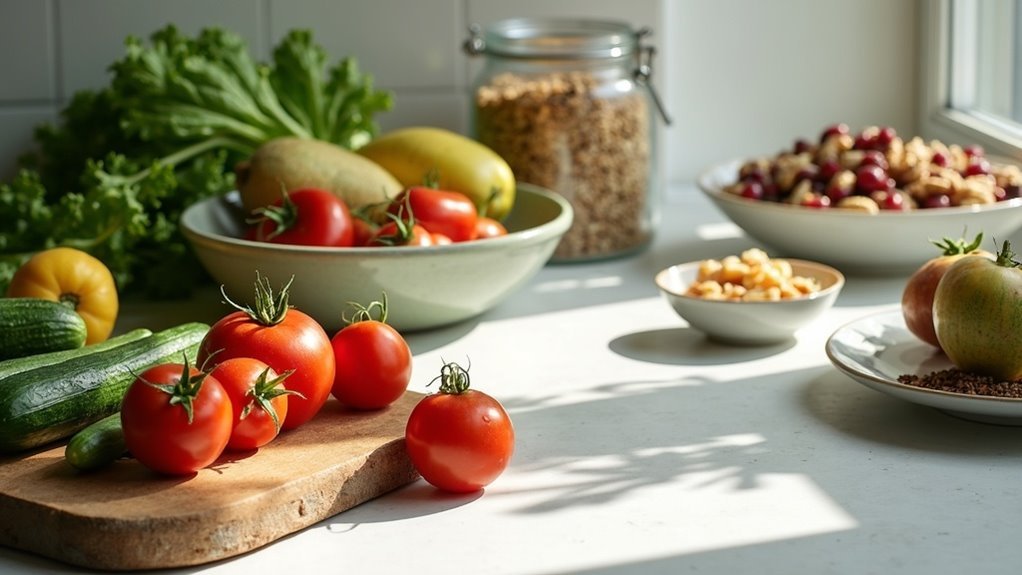
It’s important to stock up on non-perishable items that can provide sustenance when you need it most. Consider adding mixed nuts, dried fruits, and granola bars to your survival supplies to ensure you have quick fuel on hand.
You can also create a homemade trail mix with nuts, seeds, and dried fruit for a customizable, energy-dense snack that suits your taste. Don’t overlook shelf-stable yogurt or protein-rich nut butter packs, which can offer a nutritious boost when resources are limited.
Canned fruits in juice can provide hydration and a touch of sweetness, while whole grain crackers or rice cakes topped with nut butter or hummus deliver satisfying bites packed with healthy fats and carbohydrates.
Stay energized and prepared for any situation!
Creative Cooking With Canned Goods
When you think of canned goods, envision a vital resource for quick, nutritious meals that can sustain you during emergencies.
By combining versatile ingredients like beans, vegetables, and proteins, you can create hearty salads, wraps, or dips that require minimal preparation.
Let’s delve into how to transform these pantry staples into inventive, no-cook meals that ensure your survival needs are met while keeping your prep time to a minimum.
Being prepared means knowing how to utilize what you have on hand effectively, maximizing both nutrition and convenience during challenging times.
Versatile Canned Ingredients
Canned ingredients are an essential component of any survivalist pantry, particularly when you need quick, nutritious meal solutions during emergencies or outages. They provide versatile options for no-cook meals that can sustain you in challenging situations.
Here are some must-have staples:
- Canned beans for protein-rich salads or dips that keep you energized
- Canned vegetables like corn for zesty wraps that are easy to prepare
- Canned tuna or chicken for hearty spreads that are packed with protein
- Canned diced tomatoes to elevate your salsas and add flavor
- Canned fruits for refreshing snacks that provide necessary vitamins
With these canned goods, you can create nutritious meals without the need for cooking, making them perfect for survival scenarios. They save time, reduce food waste, and ensure you can enjoy a variety of meals effortlessly, regardless of the circumstances.
Quick Meal Ideas
Creating quick meals with canned goods is an essential skill for survivalists, especially when you’re facing limited resources or during emergencies like power outages.
A nutritious option is a Southwest Bean Salad made from black beans, canned corn, and salsa, all topped with a splash of lime juice.
For a hearty wrap, combine canned chicken with hot sauce and ranch dressing, then roll it up in tortillas for a filling meal.
Tuna salad is another excellent choice—simply mix canned tuna with your preferred condiments and serve it on crackers or bread.
Lastly, prepare quick tacos by filling tortillas with black beans and corn.
These meal ideas aren’t only easy to assemble but also ensure you have sustenance when cooking isn’t an option.
Tips for Meal Preparation and Storage
To maximize your no-cook meal preparations and ensure you’re ready for any situation, it’s essential to stock your pantry with a range of non-perishable items that support a survivalist approach.
Here are some crucial essentials for your meal plan:
- Canned goods, such as beans, vegetables, and meats for protein and nutrition
- Dried fruits and nuts for energy-rich snacking
- Shelf-stable dairy alternatives, like powdered milk or plant-based options
- Whole grain wraps or bread for versatile meal options
- Pre-packaged salads that can be stored for longer periods
Organize your pantry by meal types to streamline the process of assembling balanced meals, ensuring you can quickly access what you need in an emergency.
Use airtight containers to label and store items, keeping them fresh and protected from pests.
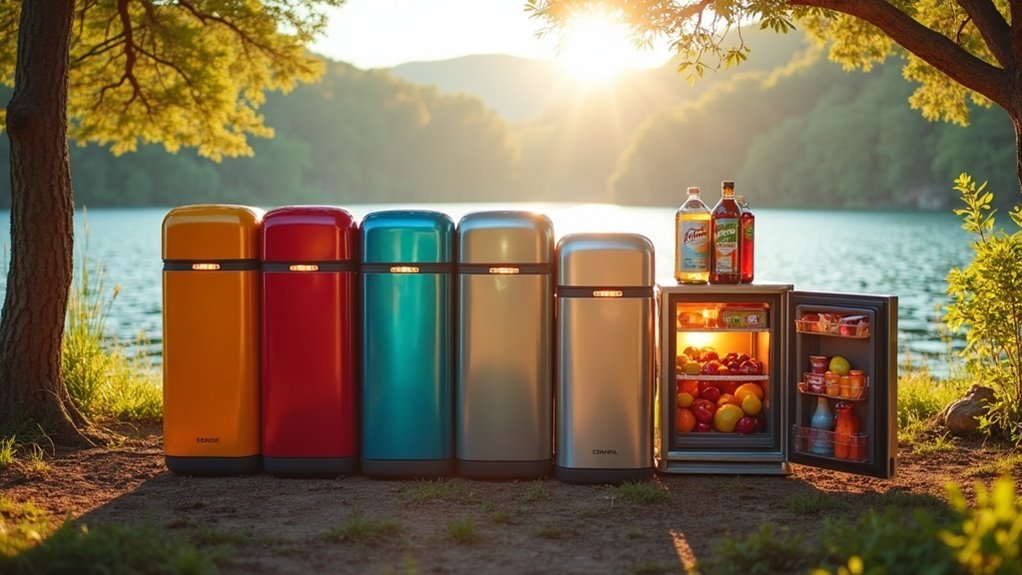
Additionally, having a portable cooler and ice packs on hand can help extend the life of perishable items, offering you increased flexibility and security with your meals during outages or unforeseen events.