To plan vitamin coverage from food stores for survival and prepping, start by identifying essential vitamins and their reliable food sources. For instance, you can stockpile vitamin A from canned carrots and B vitamins from dried meats, which have a long shelf life. Create a balanced meal plan that includes a variety of non-perishable items to ensure you meet daily nutritional needs during emergencies. Incorporate seasonal produce when possible to supplement your stockpile with fresh options and keep costs down. Fortified foods can also play a crucial role in enhancing your nutrient intake. Lastly, always evaluate product quality by checking labels and expiration dates to ensure maximum longevity. This approach will help you optimize your nutrition effectively in any survival situation.
Key Takeaways
- Assess your dietary needs and prioritize essential vitamins like A, B, C, D, and E to maintain a balanced nutritional profile, crucial for survival situations.
- Stockpile a variety of shelf-stable foods such as canned fruits, vegetables, and dried legumes to ensure you have adequate vitamin coverage during emergencies.
- Incorporate seasonal produce into your meal plan when possible, as it offers higher nutrient density and better flavor, while also being cost-effective for long-term storage.
- Opt for fortified foods to boost your vitamin intake, but be vigilant about reading labels to avoid added sugars and unhealthy fats that can compromise health.
- Regularly review grocery ads and consider buying in bulk to maximize savings on nutrient-dense foods, ensuring you are well-prepared for any unforeseen circumstances.
Understanding Essential Vitamins and Their Sources
Understanding essential vitamins is crucial for maintaining health, especially in survival situations where resources may be limited.
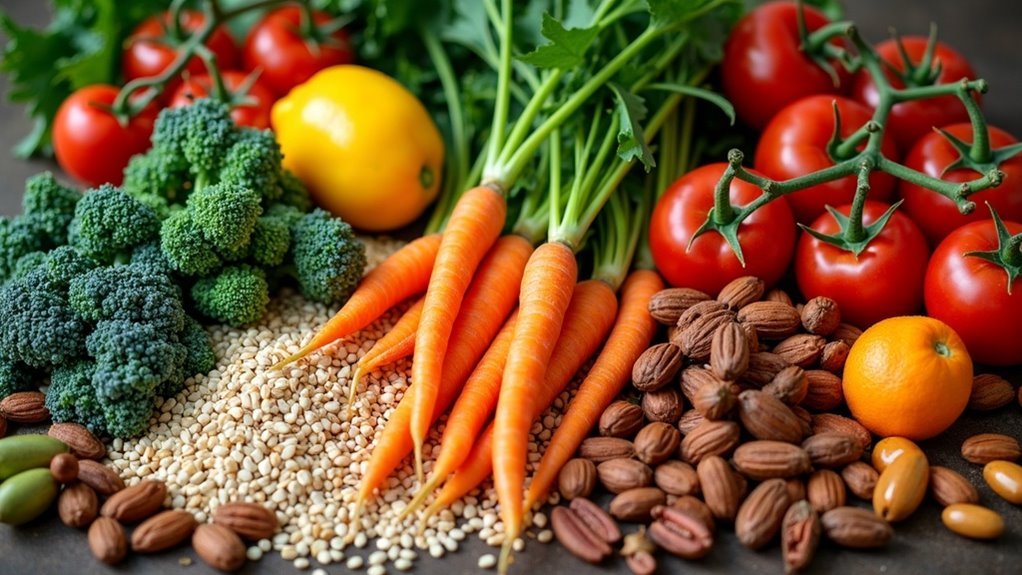
Vitamin A is vital for immune function and can be sourced from shelf-stable foods like canned carrots and sweet potato powder.
B vitamins play a significant role in energy metabolism, and you can find them in dried meats, nuts like pecans, and fortified grains that store well.
Vitamin C is essential for wound healing, and while fresh produce is ideal, consider dehydrated citrus fruits and bell pepper powders for long-term storage.
For bone health, vitamin D can be obtained from canned fatty fish and fortified dried milk products.
Lastly, vitamin E helps protect against oxidative stress and can be sourced from long-lasting vegetable oils and freeze-dried greens.
Emphasizing these vitamins in your prepper diet will support your health during challenging times.
Creating a Balanced Meal Plan
How can you ensure your meals are both nutritious and satisfying while preparing for survival situations?
Start by including a variety of food groups in your meal plan, focusing on non-perishable items like canned fruits and vegetables, whole grains, dried legumes, lean jerky, and healthy fats like nut butters or oils.
Aim for a balanced approach that incorporates at least five servings of fruits and vegetables daily when possible, as they provide essential vitamins that support overall health.
Incorporate nutrient-dense products like beans and lentils for B vitamins and minerals, which are crucial during times of scarcity.
Be mindful of portion sizes and combine foods wisely, such as pairing vitamin C-rich items with iron sources to enhance absorption—this is especially important when your food options may be limited.
Seasonal Produce and Nutrient Density
Eating seasonal produce not only boosts your nutrient intake but also enhances your preparedness for survival situations.
When you choose fruits and vegetables at their peak ripeness, like winter squash in the fall or strawberries in late spring, you benefit from higher concentrations of vitamins and antioxidants that can support your immune system and overall health.
Additionally, shopping locally for seasonal items can ensure you get the best nutritional value while diversifying your food supply throughout the year.
Seasonal Produce Benefits
When you choose seasonal produce, you’re not only enjoying fresher and more flavorful options but also reaping the benefits of higher nutrient density, which is crucial for maintaining optimal health in survival situations.
Harvested at peak ripeness, seasonal fruits and vegetables contain more vitamins and minerals compared to out-of-season varieties, making them essential for building a strong, resilient body.
Eating in season allows you to explore a variety of nutrients; for instance, winter squash offers vitamin A for vision and immune support, while summer tomatoes deliver vitamin C for skin health and immune function.
Furthermore, seasonal produce is often more affordable and accessible, helping you save money and stock up on vital resources.
Nutrient Density Explained
Understanding nutrient density is crucial for those engaged in survivalism and prepping, particularly when considering the incorporation of seasonal produce into your food storage and emergency supplies.
Nutrient density refers to the amount of essential nutrients, such as vitamins and minerals, in relation to a food’s calorie content. Foods with higher nutrient density, like winter squash and leafy greens, offer a greater nutritional payoff per calorie, which is vital when resources are limited.
For instance, kale is an excellent survival food packed with vitamins A, C, and K, as well as calcium and iron, all while being low in calories.
Shopping Tips for Nutrition
How can you optimize your grocery shopping for survival and prepping purposes while ensuring ideal nutrition? Focus on seasonal produce, which often provides better flavor and nutrient density, essential for maintaining health during challenging times. Here’s a quick guide to help you stock up effectively:
| Season | Produce | Nutrient Benefits |
|---|---|---|
| Spring | Asparagus | High in vitamins A, C, E, supporting immune function |
| Summer | Tomatoes | Rich in lycopene, which may help reduce the risk of chronic diseases |
| Fall | Squash | Great source of beta-carotene, crucial for vision and skin health |
Incorporating Fortified Foods
Incorporating fortified foods into your survival diet can significantly enhance your intake of essential vitamins and minerals, crucial for maintaining health during emergencies. Products like fortified breakfast cereals, powdered milk, and shelf-stable orange juice often include added nutrients such as vitamin D, calcium, and iron.
These fortified foods can help address specific deficiencies, such as folic acid in fortified bread, which can be vital for pregnant individuals. When selecting these items for your prepper pantry, it’s essential to read labels carefully to avoid excessive sugars and unhealthy fats, which can undermine your health goals.
Budgeting for Nutrient-Rich Foods
Budgeting for nutrient-rich foods in a survivalist or prepping context requires strategic planning to ensure you have the essential vitamins and minerals necessary for long-term sustainability without breaking the bank.
Begin by creating a meal plan that meets your dietary needs while considering shelf-stable and long-lasting options. Incorporate a variety of canned and dried fruits, vegetables, whole grains, and lean proteins that can be stored for extended periods.
Monitor weekly grocery ads and local farmer’s markets for sales on nutrient-dense foods that can be preserved or stored. Stock your pantry with cost-effective items like canned beans, rice, and frozen vegetables that have a long shelf life.
When shopping, buy in bulk for items like nuts, seeds, and whole grains to reduce costs and ensure you have ample supplies. Additionally, prioritize seasonal produce for canning or drying, as well as local products that may offer better prices and higher nutritional value for your preparedness stockpile.
Shopping Strategies for Health-Conscious Consumers
When you’re preparing for survival situations, it’s essential to assess your nutritional needs first, so you know what to prioritize in your stockpile.
Scrutinizing ingredient labels can help you choose budget-friendly options that provide essential nutrients.
Nutritional Needs Assessment
How can you ensure your diet supports your survival and prepping goals? Begin with a nutritional needs assessment to identify specific deficiencies or health objectives that align with your preparedness plans.
This assessment will enable you to make informed choices about essential vitamins and supplements to keep in your survival stockpile. Incorporate strategic meal planning that includes a variety of long-lasting, nutrient-dense foods, reducing your dependence on supplements during times of crisis.
Pay attention to grocery store sales to stock up on essential vitamins found in preserved fruits, vegetables, and whole grains. Don’t overlook bulk staples like freeze-dried or canned vegetables and beans, which are vital for long-term storage.
Lastly, consult your healthcare provider to ensure you’re effectively addressing common deficiencies such as Vitamin D, Calcium, and Iron, which are crucial for maintaining health in any survival situation.
Ingredient Label Scrutiny
Ever wonder what’s really in the survival gear and supplements you’re considering for your prepping needs? Ingredient label scrutiny is essential for survival-conscious individuals.
First, check for artificial additives, preservatives, and allergens that could undermine your health during critical times. Opt for certified organic or non-GMO dietary supplements, as they often promise higher quality and sustainability.
Pay attention to dosages, ensuring they align with recommended daily allowances to prevent excessive intake, especially in survival situations. Look for third-party testing seals, confirming purity and potency, which is vital when resources are limited.
Finally, be wary of misleading health claims; only trust benefits backed by scientific evidence to avoid ineffective products in your preparedness plan. Stay informed to make the best choices for your survival and well-being.
Budget-Friendly Choices
To ensure you’re prepared with nutritious food options while sticking to a budget, consider implementing effective shopping strategies that align with survivalism principles. Here are some tips to help you manage your resources while ensuring you have essential nutrients on hand:
- Create a weekly meal plan that focuses on shelf-stable foods and preserves, reducing impulse purchases and ensuring a variety of nutrient-rich options.
- Shop during sales and utilize weekly ads for discounts on essential long-term storage ingredients like canned goods and dried beans.
- Purchase bulk items like grains, legumes, and freeze-dried vegetables from grocery warehouses or bulk food stores to maximize value.
- Opt for frozen fruits and vegetables, which maintain their nutritional value and often have a longer shelf life than fresh produce, making them a smart choice for preparedness.
These strategies can help you build a healthy and sustainable food supply without overspending, ensuring you’re ready for any situation.
Evaluating Product Quality and Labels
When evaluating vitamin products for your survival and prepping needs, start by checking for third-party testing certifications that ensure quality and safety.
Many supplement products may not undergo rigorous safety testing, making clear labeling crucial for informed decisions. Look for detailed ingredient lists, recommended dosages, and allergen information, especially if you’re stocking up for emergencies.
Pay attention to sourcing; non-GMO, organic, or sustainably sourced products often indicate higher quality and reliability.
Always verify the expiration date, as expired supplements can lose potency and may not be suitable for long-term storage.
Familiarize yourself with FDA regulations; reputable products won’t make unsubstantiated health claims and should comply with guidelines outlined in FDA Publication 502 for dietary supplements.
Your health and preparedness deserve careful consideration!