To effectively color code your survival kits by function, assign specific colors to different categories: red for first aid supplies, orange for shelter materials, yellow for power tools, green for food provisions, and blue for water supplies. Utilize durable storage bins or clearly labeled containers to mark items according to these designated colors, facilitating quick identification during emergencies. This method not only streamlines your organization but also enhances your overall preparedness. Regularly refine your color scheme based on practical experiences to ensure you’re ready for any situation. There’s always more to learn about efficient organization techniques in the realm of survivalism and prepping!
Key Takeaways
- Assign distinct colors to different survival categories, such as red for first aid kits and blue for water purification supplies, to facilitate quick identification in emergencies.
- Utilize durable, color-coded bins or containers to store and organize essential survival gear by their designated functions, ensuring easy access during critical situations.
- Implement visual labels or stickers that align with your color-coding system to reinforce organization and ensure consistency across all prepping kits.
- Regularly review and update the color scheme based on practical experiences and feedback from fellow survivalists to enhance the overall effectiveness of your preparedness efforts.
- Foster collaboration within your prepping community to share innovative color-coding strategies, enhancing collective readiness and resourcefulness in times of need.
Why Organize by Color?
When you organize your survival supplies by color, you not only streamline your gear but also enhance your efficiency in critical situations.
Color coding allows for quick identification of essential items, reducing the time spent searching during emergencies or when you need to grab supplies on the fly. For 92% of the population not affected by color blindness, this method is universally accessible and intuitive.
Color coding enhances quick identification of supplies, minimizing search time during emergencies and ensuring efficiency for most people.
Unlike written labels that can fade or become unclear over time, color codes remain easily visible, ensuring you can find what you need when it matters most.
By simplifying your inventory management, you improve your reaction time and decision-making in vital situations.
Plus, adopting a color-coded system fosters cleanliness and order—key elements in any environment where preparedness is paramount.
The Colors of Prepping
When you organize your survival and prepping supplies by color, it aids in swiftly identifying essential items during an emergency.
Each color signifies specific categories, facilitating efficient inventory management.
Color Categories Defined
Color coding your prepping supplies can make all the difference in an emergency situation. Understanding the defined color categories allows you to quickly access what you need for survival.
Red is designated for first aid and medicine, ensuring you can find essential health supplies rapidly.
Orange signifies shelter and warmth items, such as tents and blankets, which are vital for outdoor survival scenarios.
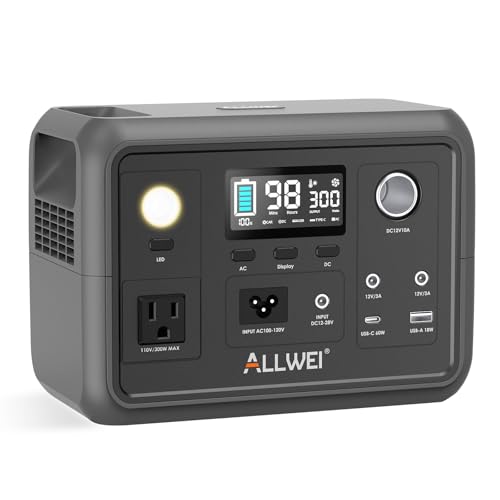
Yellow represents power and energy tools, facilitating quick access to lights and solar panels.
Green is used for food-related supplies, encompassing both storage solutions and utensils.
Lastly, blue categorizes water purification and storage options, ensuring that crucial hydration resources are easy to locate when every second counts.
Effective Color Usage
Using color coding effectively enhances your survival strategy by ensuring that your supplies are organized and easily identifiable.
By implementing a color-coded system, you can categorize your essential items: red for first aid, orange for shelter, yellow for power tools, green for food, blue for water, and pink for personal items.
This method aids 92% of individuals in quickly identifying supplies during emergencies. You can create a color coding kit using DIY labels or purchase one tailored for prepping.
Effective color usage simplifies inventory management, allowing for faster reactions in critical survival situations.
Make your prepping efforts more efficient with this straightforward approach.
Visual Organization Benefits
Effective visual organization can significantly enhance your preparedness efforts in survival situations. By color coding your survival kits by function, you facilitate quick identification of essential supplies, making access during emergencies much more efficient.
Organizing items by color—such as red for first aid and green for food—streamlines inventory management, minimizing confusion during critical moments. Research indicates that 92% of individuals not affected by color blindness benefit from this system, underscoring its effectiveness in survival scenarios.
Additionally, a color-coded approach reduces reliance on written labels that may deteriorate over time, ensuring clarity when every second counts. This system boosts your reaction times, allowing for immediate recognition of vital supplies, ultimately enhancing your overall readiness for any situation.
Effective Color Coding Strategies
To create an effective color-coding system for your survival and prepping kits, begin by selecting distinct colors that correspond to specific functions crucial for your preparedness needs.
For instance, use red for first aid supplies, blue for water purification items, and green for food storage essentials. This approach not only helps you organize your kits efficiently but also enhances visual identification, allowing for quick access to vital resources in emergency situations.
Additionally, regularly review and update your color scheme to ensure it remains relevant and effective as your survival needs evolve.
Color Selection Guidelines
Choosing the right colors for your survivalist color-coding system can greatly enhance usability and recognition in preparation activities. Follow these color selection guidelines to effectively choose colors that resonate with users:
| Color | Function |
|---|---|
| Blue | Water Supplies |
| Green | Food Supplies |
| Red | Emergency Gear |
Opt for commonly used colors like blue, green, red, yellow, and black. Ensure contrast to clearly differentiate areas and consider colorblind-friendly combinations. Gather feedback from fellow survivalists to refine your choices and anticipate future needs for adaptability. By following these strategies, you’ll create a clear, effective color-coding system for your prepping endeavors.
Functional Kit Organization
While organizing your survival kits, employing a color-coded system can significantly improve your ability to quickly locate critical supplies.
Assign specific colors to functional categories—like red for first aid and blue for water purification. You can create your own labels using colored duct tape or zip ties for a customized touch. This strategy streamlines inventory management and enhances your response times during emergencies.
Match colors to functions, such as green for food and yellow for tools, ensuring you can efficiently access what you need.
Regularly revise your system based on your experiences and feedback to maintain an effective organization tailored to your prepping needs.
Visual Identification Techniques
Effective visual identification techniques can greatly enhance your survivalism and prepping efforts by streamlining the organization of your survival kits. This ensures you can quickly locate essential items during critical moments.
Here are three effective color coding strategies tailored for survivalists:
- Use distinct colors for different functions—red for first aid supplies, blue for water purification gear, and green for food provisions.
- Incorporate contrasting colors to minimize confusion between adjacent kits, thereby improving visibility for everyone, including those with visual impairments.
- Develop a color-coded reference card to guide team members, ensuring that everyone understands the coding system and can utilize it effectively in high-pressure situations.
Choosing the Right Storage Solutions
When preparing for emergencies, selecting the right storage solutions for your survival gear is crucial. A step-by-step guide to achieving this includes using wall racks and shadowboards that promote organization by keeping essential tools organized and accessible.
Implement color-coded storage locations to quickly identify items and reduce the risk of confusion during critical situations. Choose durable materials like lightweight plastics or metals for shadowboards, ensuring they withstand rugged use in various environments.
Opt for contrasting colors to help you quickly identify the correct tools for each specific purpose or area of your preparation efforts. Aligning these solutions with the principles of efficient organization fosters a culture of readiness, enhancing your overall survival strategy and effectiveness.
Maintaining Organization Over Time
To keep your color-coded survival kits organized over time, regularly reviewing and updating their contents is crucial. Here are three key steps to maintain order every year:
Regularly review and update your color-coded survival kits to ensure organization and preparedness for emergencies.
- Conduct an inventory check: Assess the condition and quantity of supplies in each kit to ensure you have everything necessary for emergencies and that nothing is expired or damaged.
- Use durable labels: Invest in sturdy, color-coded labels to clearly identify the purpose of each kit, making it easy to locate essential items quickly during a crisis.
- Train all users: Ensure that everyone involved in your preparedness efforts understands the color-coding system by providing resources and training, fostering a culture of organization and readiness.
Document any changes in a reference guide to enhance understanding and consistency across all users, ensuring that your survival strategy remains effective and efficient.
Incorporating Color Coding in the Classroom
Color coding in survivalism not only enhances organization but also helps preppers quickly identify their gear and supplies, reducing stress during critical situations.
By using durable, color-coded bins for different types of equipment—such as red for first aid kits and blue for water purification—you can create an efficient system for managing resources tailored to specific survival scenarios.
Apply color coding to your emergency plans—like yellow for evacuation routes and green for food storage—to streamline preparation.
Additionally, mobile visual checklists and adapted survival kits with color-coded elements support readiness and engagement.
Collaborating with a community of like-minded survivalists can enhance your color coding strategies even further.
Engaging Students With Color-Coded Kits
Engaging students with color-coded kits can spark their interest and enhance their learning experience in the context of survivalism and prepping.
To ensure you maximize their effectiveness, consider these strategies:
- Assign Colors: Use different colors for various survival skills or prepping activities, allowing for quick identification of essential materials.
- Encourage Ownership: Let students manage their color-coded survival bins, fostering a sense of responsibility for their preparedness resources.
- Refresh Regularly: Update themes and contents every four to six weeks, introducing new survival techniques and tools to keep students engaged and motivated in their prepping journey.
Additional Resources for Effective Organization
When you’re looking to enhance organization within your survival kits, several additional resources can make a significant difference for your preparedness efforts. Consider using color-coded labels from companies like Vanquest to simplify inventory management, ensuring quick access to essential supplies during emergencies. Printing a reference card can help maintain consistency in your kits and support your survivalist culture. Regular training sessions for your group can guarantee that everyone understands the system’s importance and stays up to date with best practices. Engaging with community resources can inspire innovative color-coding strategies tailored to your specific survival scenarios.
| Resource Type | Description | Benefits |
|---|---|---|
| Color-Coded Labels | Simplifies identification of supplies | Quick access in emergencies |
| Reference Cards | Visual guide for kit consistency | Supports training efforts and readiness |
| Community Support | Network for shared ideas and solutions | Tailored strategies for unique challenges |
| Regular Training | Ongoing education on organization | Adapts to evolving survival needs |