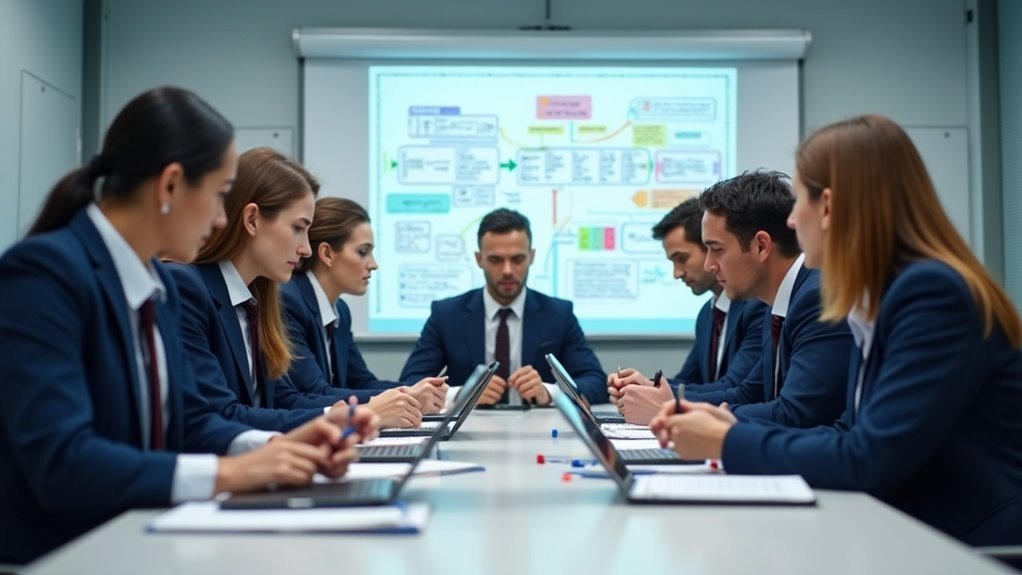
When you brief and debrief survival drills, focus on clear objectives and defined roles within your group. Emphasize essential safety protocols and set measurable goals for evaluation to ensure everyone is prepared for real-life scenarios. After each drill, engage in a structured debriefing session to reflect on experiences, identify strengths, and pinpoint areas for improvement. Incorporate objective feedback and video recordings of the drills to enhance learning and accountability. Encouraging open dialogue fosters trust within your group and promotes continuous improvement in your survival strategies. If you want to explore more techniques for effective survival drills, there’s plenty to discover in the realm of prepping.
Key Takeaways
- Clearly communicate the purpose, objectives, and specific roles during the briefing to ensure everyone understands their contribution to survival preparedness and situational awareness.
- Emphasize essential safety protocols to protect participants and enhance readiness in various scenarios throughout the drill.
- Utilize the “What? So What? Now What?” framework during debriefing to facilitate structured reflection on survival tactics and identify lessons learned for future preparedness.
- Incorporate video recordings for performance analysis and constructive peer feedback to foster continuous improvement in skills and strategies.
- Encourage open communication for questions and sharing of experiences, cultivating a community dedicated to continuous learning and resilience in the face of emergencies.
Objectives and Expectations for Briefing
When preparing for a survival drill, it’s essential to communicate the objectives and expectations clearly.
Begin by outlining the drill’s purpose, ensuring all participants understand the objectives and desired outcomes related to survival scenarios. Assign specific roles and responsibilities to enhance accountability and streamline operations, as everyone’s contribution is vital in a survival situation.
Emphasize key safety protocols to guarantee everyone’s well-being throughout the exercise and to prepare for real-life emergencies. Set measurable goals, such as response times and resource management, to evaluate performance later on.
Encourage participants to ask questions and voice concerns during the briefing. This open communication fosters a supportive environment, ultimately leading to improved team dynamics and readiness for the challenges ahead.
The Importance of Structured Debriefing
Structured debriefing is crucial for enhancing the effectiveness of survival drills, as it allows participants to reflect on their experiences and solidify key lessons learned. This process not only improves learning retention but also promotes continuous improvement and encourages open discussions about what strategies were successful and which ones fell short. By employing structured techniques, such as the “What? So What? Now What?” framework, you can facilitate deeper reflection and insights. Below is a simple table to guide your debriefing process:
| What Happened? | Lessons Learned | Future Actions |
|---|---|---|
Engaging in this structured reflection makes the learning experience more impactful, ensuring that you are better prepared for real-life survival situations.
Facilitating Reflective Observation
To facilitate reflective observation in the realm of survivalism and prepping, it’s crucial to create a supportive environment where participants feel comfortable sharing their insights and experiences.
Utilize structured debriefing frameworks like “What? So What? Now What?” to guide discussions, encouraging everyone to articulate their thoughts and feelings about their preparedness strategies and survival experiences. This process fosters a deeper understanding of effective actions taken during drills or real-life scenarios, as well as areas that may require improvement.
Incorporating video feedback tools can enhance reflective observation, allowing participants to visually analyze their decisions and responses in simulated survival situations.
Identifying Strengths and Areas for Improvement
In your debriefing sessions, it’s crucial to recognize the strengths that emerged during survival drills, such as effective teamwork and communication in high-stress situations.
Equally important is addressing any opportunities for improvement, such as delays in response times or issues with gear utilization.
Recognizing Team Strengths
Recognizing team strengths is crucial for maximizing performance in survival scenarios and preparedness drills. By evaluating both individual and collective skills, you can effectively leverage participants’ capabilities in high-pressure situations.
Utilize feedback mechanisms like the Start-Stop-Continue framework to identify areas where team members excel in survival skills. Engaging in debriefing sessions after drills allows participants to reflect on their performance, emphasizing their strengths in areas like resource management, navigation, or first aid.
Implement structured activities, such as the Traffic Light Debrief, to categorize performance into strengths, opportunities for growth, and critical improvements needed for survival preparedness.
Regularly acknowledging and celebrating these strengths boosts morale and motivation, leading to enhanced performance in future drills and emergency situations.
Addressing Improvement Opportunities
Building on the insights gained from recognizing team strengths, it’s essential to address improvement opportunities that can enhance overall performance in survival situations.
Analyze performance metrics and feedback from drills to guide future training sessions focused on preparedness and resilience. Use the Start-Stop-Continue-Change model to categorize actions and prioritize focus areas critical for survival scenarios.
Engage in reflective discussions post-drill, encouraging team members to share experiences from their prepping journeys, which fosters a deeper understanding of both strengths and weaknesses within the team.
Additionally, implementing video review during debriefing provides tangible evidence of performance in survival tasks, making it easier to identify areas needing development and adjustment for continuous improvement in preparedness strategies.
Utilizing Objective Feedback
Utilizing objective feedback is essential for enhancing your skills in survivalism and prepping.
By incorporating video tools, you can gain valuable insights into your techniques and decision-making processes, allowing for a clearer understanding of areas needing improvement.
Encouraging constructive peer input also fosters a supportive community where everyone can grow and learn together in their preparedness journeys.
Importance of Objective Observations
While conducting survival drills, objective observations play a crucial role in providing unbiased insights that identify specific areas for improvement in preparedness and response strategies. By integrating these observations, you can enhance team performance and foster accountability within your survival group. Structured debriefing sessions that utilize objective feedback minimize personal biases, ensuring the focus remains on behaviors and outcomes related to survival skills and scenarios. This approach promotes effective learning experiences and helps identify gaps in preparedness.
| Area of Focus | Observation Method | Outcome |
|---|---|---|
| Performance Adherence | Real-time Feedback | Enhanced Preparedness |
| Skill Development | Video Analysis | Identified Gaps |
| Team Accountability | Peer Review | Improved Group Dynamics |
Video Tools for Insights
Video tools are invaluable for enhancing the debriefing process during survival drills. By capturing audio and video footage of these drills, you can objectively analyze team performance and provide constructive feedback.
This feedback emphasizes specific behaviors and decisions, leading to focused discussions that reinforce essential survival skills. Real-time commenting features allow for immediate input, ensuring discussions remain relevant and impactful.
Furthermore, utilizing video playback during debriefs enables teams to visually reflect on their experiences, which aids in the retention and understanding of crucial insights. Objective feedback also instills a sense of accountability among team members, fostering a culture of continuous improvement by identifying both strengths and areas for development in their survival skills.
Encouraging Constructive Peer Input
Capturing performance through video tools can be invaluable in the context of survivalism and prepping, as it lays the groundwork for encouraging constructive peer input during debriefs. By utilizing objective feedback, you can help your group critically analyze survival strategies and preparedness actions, minimizing personal biases.
Implementing structured frameworks, like the Start-Stop-Continue-Change model, guides your team in identifying specific behaviors to maintain or modify based on peer observations, whether in skill-building exercises or emergency simulations. Foster a culture of open dialogue to build trust and accountability among team members, enabling them to share insights and support each other’s growth in survival skills.
Additionally, consider anonymous feedback mechanisms to alleviate apprehension, promoting more honest, constructive input. This approach can enhance learning outcomes through diverse perspectives and collaborative problem-solving, ultimately strengthening your group’s preparedness and resilience in real-world scenarios.
Incorporating Video Recordings in Debriefing
Many survivalists find that incorporating video recordings into debriefing sessions significantly enhances the overall learning experience.
These recordings provide a visual reference that boosts recall and encourages deeper discussions about survival techniques and preparedness strategies. By utilizing feedback tools like Viso, you can add personalized markers and comments, enabling focused conversations about specific skills and behaviors in survival scenarios.
Incorporating video recordings enhances recall and fosters deeper discussions on survival techniques and preparedness strategies.
Playback during debriefing allows participants to identify key moments and assess their performance in real-time, fostering reflective learning in critical situations.
This approach not only highlights successful survival strategies and areas for improvement but also builds trust and accountability within the prepping community.
Sharing experiences transparently enhances individual reflection and promotes a culture of continuous learning and preparedness.
Integrating New Knowledge and Practices
As you reflect on your past experiences in survivalism and prepping, integrating new knowledge and practices is crucial for enhancing your skills in survival situations.
Utilize structured debriefing techniques like the “What? So What? Now What?” framework to gain deeper insights into your training and real-life applications. This approach helps you internalize key lessons from practice drills and scenarios.
Engage in active experimentation to apply new survival skills in realistic environments, reinforcing your ability to adapt when it matters most.
Encourage open dialogue during debriefs to foster continuous improvement and adjust your practices based on collective feedback from fellow preppers.
Finally, implement regular follow-ups, such as 60-day accountability contracts, to enhance long-term retention and ensure you effectively apply what you’ve learned in your preparedness journey.
Enhancing Future Drill Performance
Enhancing future drill performance is crucial for honing your survival skills in various scenarios. To facilitate this improvement, encourage participants to reflect on their experiences using structured debriefing techniques like the What? So What? Now What? framework, which helps in understanding the lessons learned.
Engage them with interactive activities such as the Traffic Light Debrief, where insights are categorized into green (what worked), amber (what needs improvement), and red (what to avoid).
Utilize video feedback tools to analyze key moments during drills, fostering targeted discussions and deeper understanding. Establish a culture of accountability by implementing 60-day contracts that encourage commitment to applying learned concepts in real-life situations.
Additionally, promote peer feedback mechanisms, such as postcard exchanges, to create an environment of mutual support and continuous dialogue about enhancing the effectiveness of your survival drills.