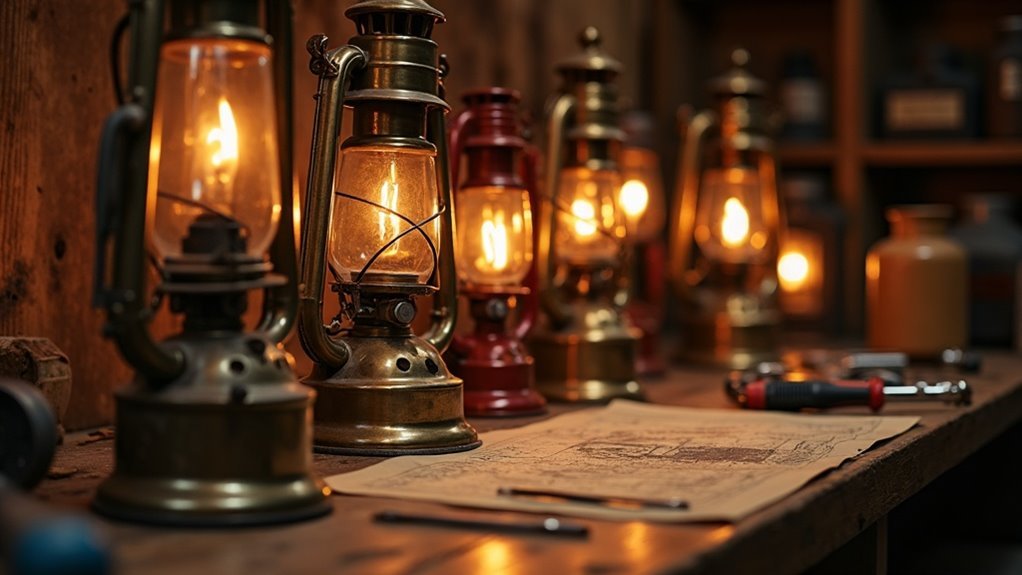
To build a kerosene lighting plan for your survival kit, start by selecting a robust container and wick. Opt for metal or heat-resistant glass containers that can withstand the rigors of outdoor use, ensuring they have tight lids and wide openings for easy filling and maintenance. Choose absorbent cotton or durable fiberglass wicks that can provide a steady flame.
Prepare your wick and container by trimming the wick to the appropriate length and inspecting the container for any damage. Fill the container with high-quality kerosene, leaving some space at the top to prevent spills, and securely cap it to avoid leaks. When you need to use your lamp, light the wick safely, taking care to follow fire safety protocols.
Regular maintenance of your kerosene lamp is crucial for optimal performance, especially in survival situations where reliable lighting is essential. Stay informed about best practices for kerosene use and storage to ensure your light source is always ready when you need it.
Key Takeaways
- Evaluate your lighting needs in the context of survival situations, selecting robust kerosene lamps that suit the size and layout of your shelter or living area.
- Assemble vital supplies including high-quality kerosene, durable containers designed for long-term storage, and reliable wick materials to ensure efficient performance during emergencies.
- Implement a regular maintenance routine to keep your lamps in optimal condition, ensuring they are clean, wicks are trimmed for maximum efficiency, and fuel levels are consistently monitored.
- Formulate a secure storage strategy for kerosene, utilizing approved containers in a cool, dry, well-ventilated area, away from potential fire hazards and heat sources to mitigate risks.
- Design an emergency preparedness plan detailing the safe use and maintenance of kerosene lamps during power outages or critical situations, ensuring you have reliable lighting when it matters most.
Selecting the Right Container for Kerosene
When selecting a container for kerosene in the context of survivalism and prepping, prioritizing safety and durability is crucial.
Choose metal or heat-resistant glass containers that are specifically labeled for kerosene storage, as these materials are designed to withstand its chemical properties effectively. A tight-fitting lid is essential to minimize spills and reduce evaporation, which is vital for maintaining a safe environment during use.
Ensure the container has a wide opening for easy filling and cleaning, yet narrow enough to prevent accidental overfilling. Additionally, opt for containers equipped with a built-in spout or funnel feature. This design facilitates controlled pouring, significantly reducing the risk of spills when transferring kerosene, thereby enhancing safety in your prepping and survival efforts.
Choosing the Appropriate Wick Material
Selecting the right wick material is crucial for ensuring your kerosene lamp functions effectively in survival situations. Cotton wicks are highly recommended due to their excellent absorbent properties, which help maintain an ideal flame height and burn efficiency—key factors when reliable light is essential. However, if durability and reduced smoke output are priorities, specialty wicks made from fiberglass may be a better option for your needs. Always ensure that the wick fits securely in the burner for a steady flame, especially during emergencies. Take into account your lamp’s design and the required wick size before making a purchase to ensure optimal performance.
| Wick Material | Characteristics |
|---|---|
| Cotton | Absorbent, commonly used |
| Fiberglass | Durable, less smoke output |
| Synthetic | Longer-lasting, varies by type |
| Braided | Enhanced stability, versatile |
| Flat | Even burn, specific designs |
Preparing the Wick and Container
Preparing the wick and container is crucial for ensuring your kerosene lamp operates safely and effectively, especially in survival situations.
Begin by trimming the wick straight across for a flat flame or rounding the corners for a softer glow—this will help you conserve fuel and maximize light output. Properly thread the wick through the burner to ensure optimal performance.
Trim the wick for an ideal flame shape to optimize light output and conserve fuel effectively.
Before filling the container with lamp oil, carefully inspect it for cracks or damage, paying close attention to the glass chimney, as any failure could lead to dangerous leaks. Use a funnel to pour kerosene, leaving about an inch of space at the top to prevent spills, which could be hazardous in an emergency.
Allow the wick to soak for a few minutes before lighting to ensure a steady burn.
Finally, position the lamp on a stable, non-flammable surface in a well-ventilated area to maintain safety and efficiency during use.
Filling the Container With Kerosene
When filling your kerosene lamp for survival situations, it’s crucial to follow these steps to ensure safety and efficiency.
First, use a funnel to pour the kerosene into the reservoir, leaving about an inch of space at the top for optimal fuel levels. This not only helps with safe operation but also maximizes the lamp’s performance in critical situations.
After filling, securely tighten the fuel cap to prevent leaks and evaporation, which can compromise your resources.
Remember, careful handling is essential for safety, so promptly clean up any spills to avoid hazards.
Being prepared means having your kerosene lamp ready to provide light in emergencies, so make this a regular part of your prepping routine.
Optimal Fuel Levels
To ensure your kerosene lamp functions effectively during emergencies, it’s crucial to maintain optimal fuel levels in the reservoir. Leaving approximately one inch of space at the top prevents overflow and accommodates fuel expansion, which is essential when storing fuel for long-term use. Always check the fuel gauge before filling to prevent overfilling, which can lead to waste or hazards. Using high-quality kerosene or specialized lamp oils not only boosts burning efficiency but also ensures your lamp remains functional when you need it the most, such as during power outages. Remember to clean up any spills immediately to mitigate fire risks. Additionally, allow the wick to soak for a few minutes after filling to guarantee a bright, reliable flame.
| Action | Recommendation |
|---|---|
| Check fuel gauge | Before filling |
| Space to leave | 1 inch |
| Kerosene type | High-quality only |
| Wick soaking time | Few minutes |
Using a Funnel
Maintaining ideal fuel levels is crucial for ensuring your kerosene lamp operates efficiently, especially in survival situations where reliable lighting is essential.
Using a funnel is a key component for a clean and spill-free filling process, which can be vital when resources are limited. Follow these guidelines to maximize the effectiveness of your funnel:
- Select a funnel with a wide opening that fits snugly in the lamp’s fuel cap to minimize spills.
- Always leave about one inch of space at the top of the reservoir to allow for fuel expansion, preventing overflow.
- Ensure both the funnel and lamp are clean and dry to avoid contamination, as maintaining purity is important in prepping scenarios.
Securing Fuel Cap
Securing the fuel cap after filling your kerosene lamp is crucial for survival preparedness, as it prevents leaks and ensures safety during use. Always inspect the cap for cracks or damage to maintain an effective seal. Utilize a funnel during the filling process to avoid spills and leave an inch of space for expansion, which is vital in emergency situations.
| Action | Importance | Safety Tip |
|---|---|---|
| Tighten the cap | Prevents leaks, crucial for survival | Use a wrench if necessary |
| Clean spills immediately | Reduces fire hazards, essential in a crisis | Keep a cloth nearby |
| Inspect before replacing | Guarantees proper sealing, key for safety | Dispose of damaged caps safely |
A secure cap significantly minimizes the risk of accidental ignition, enhancing your preparedness for any unforeseen circumstances.
Lighting the Wick Safely
When it comes to lighting your kerosene lamp for survival situations, safety should always be your top priority. Here are some essential tips to ensure you light the wick safely:
- Trim the wick to approximately 1/4 inch above the burner for a steady flame and minimal smoke, maximizing efficiency in your resource use.
- Use a long-reach lighter or a match on a stick to ignite the wick, which helps prevent burns and ensures a safe distance from the flame.
- Allow a few minutes after lighting for the wick to absorb kerosene, ensuring a stable flame before relying on it for light or heat.
Always keep the lamp away from drafts and flammable materials, and never leave it unattended while lit. This will enhance your safety and preparedness during critical times.
Maintenance and Safety Tips for Kerosene Lamps
To ensure your kerosene lamps function safely and efficiently, it’s crucial to develop a maintenance routine that aligns with your survivalist and prepping goals.
Regular cleaning procedures, safe wick management, and proper fuel storage are vital components of this plan. By prioritizing these areas, you not only enhance the performance of your lamps but also minimize potential risks, ensuring that you’re well-prepared for any situation.
Regular Cleaning Procedures
Maintaining your kerosene lamp is crucial for optimal performance and safety, especially in survival situations where reliable light sources can make a significant difference.
Regular cleaning procedures not only help prevent potential hazards but also ensure peak light output when you need it the most. Here are essential steps to follow:
- Clean the glass chimney regularly to prevent soot buildup, ensuring clear visibility and efficiency.
- Trim the wick consistently to maintain a clean flame and reduce smoke, which is vital for preserving air quality in confined spaces.
- Inspect the lamp for cracks or damage to prevent dangerous fuel leaks, which can compromise safety in emergency situations.
Additionally, always store kerosene in proper, labeled containers away from heat sources to minimize fire risks.
Place the lamp on stable, non-flammable surfaces to prevent tipping over.
Never leave a burning lamp unattended, and extinguish the flame when not in use to enhance safety and conserve fuel.
Being prepared means ensuring that your lighting sources are reliable, safe, and ready for action when you need them.
Safe Wick Management
Proper wick management is crucial for the safety and efficiency of your kerosene lamp, especially in survival situations where reliable lighting is essential. Here are some key tips to follow:
| Action | Frequency | Importance |
|---|---|---|
| Trim the wick | Every use | Ensures a clean and efficient flame for optimal light output. |
| Thread wick properly | Before lighting | Promotes efficient burning, maximizing fuel use. |
| Replace frayed wick | As needed | Prevents excessive smoke, which can be a hazard in closed spaces. |
| Clean the chimney | Monthly | Avoids soot buildup that can compromise light quality and safety. |
| Monitor while burning | Always | Ensures safety and reliability, crucial in emergency situations. |
Fuel Storage Guidelines
When storing kerosene for survival and prepping purposes, ensuring safety and maintaining fuel quality are crucial. Follow these guidelines for effective storage:
- Use approved, labeled containers made of high-density polyethylene (HDPE) to prevent leaks and degradation. This helps secure your fuel supply against potential hazards.
- Store in a cool, dry area away from direct sunlight, heat sources, and flames to minimize fire risks and preserve fuel integrity.
- Ensure well-ventilation to avoid the accumulation of flammable vapors, which can pose a significant risk in an emergency situation.
Regularly inspect your stored kerosene for signs of discoloration or sediment. Safely dispose of any compromised fuel to maintain a reliable supply.
Keep your kerosene within its shelf life of 1-2 years to ensure peak performance and safety when using kerosene lamps, especially in critical survival scenarios.